
15 Best Bedroom Paint Colors
15 Best Bedroom Paint Colors
If there is one room in your home that deserves to feel like a hug, it is the bedroom. It is where you wake up, wind down, and spend roughly a third of your life, so the color on those four walls matters more than you might think. Paint sets the emotional temperature of a bedroom before a single pillow or curtain arrives. It can make a small room feel open and airy, wrap a large room in warmth, calm a racing mind at midnight, or greet you with quiet energy in the morning.
The good news is that choosing the perfect bedroom paint color does not have to feel overwhelming. The shades below are tried-and-true favorites that designers return to again and again because they work in real bedrooms — north-facing rooms with cool light, sunny south-facing spaces, tiny city bedrooms, and sprawling primary suites alike. Each one brings its own mood, and each pairs beautifully with the bedding and furniture you probably already own.
Whether you are painting one accent wall or going for a full room refresh, grab a roller and find your color. Your coziest bedroom is one paint can away.
1. Soft Sage Green
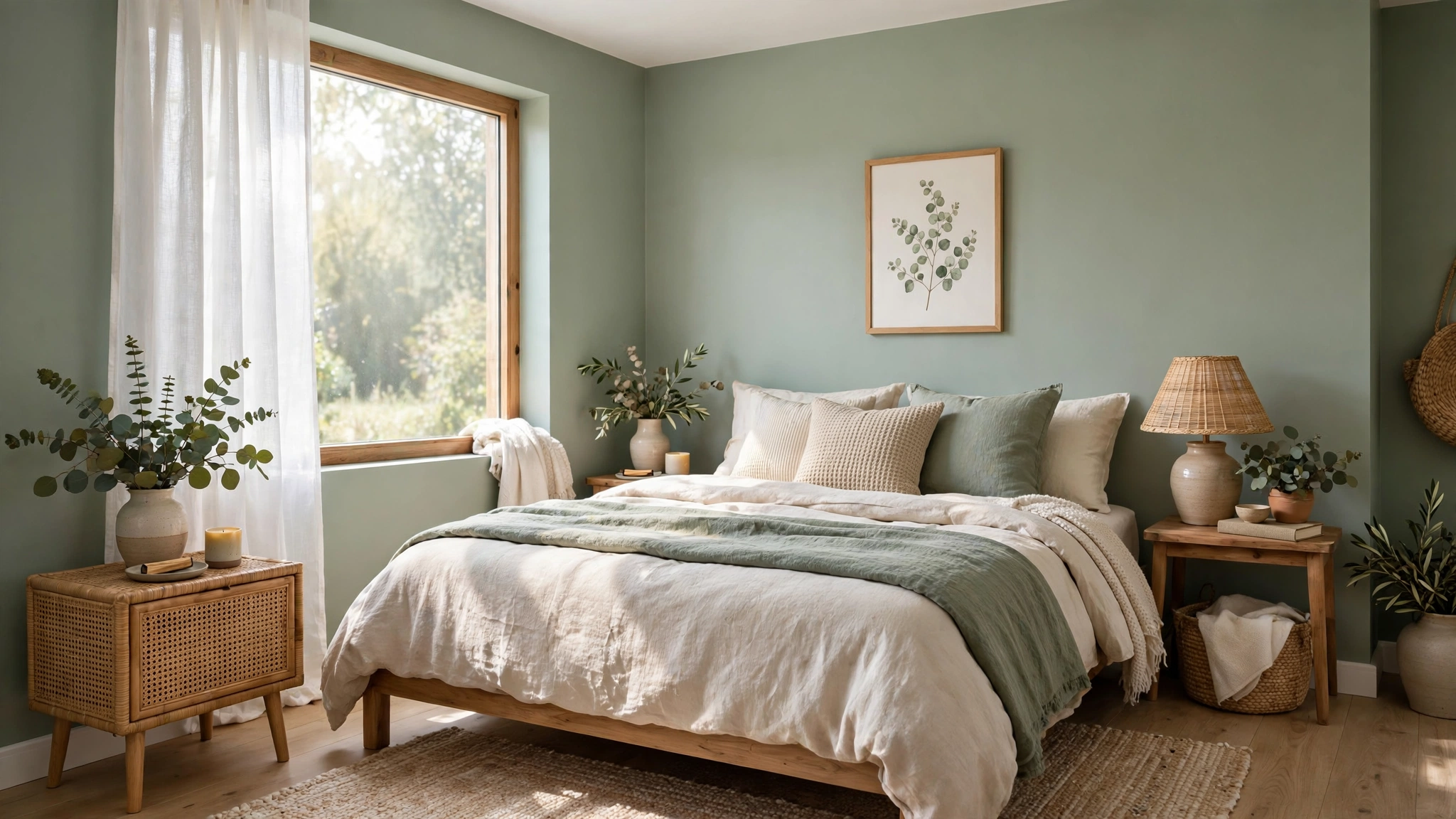
Soft sage is the color of eucalyptus leaves and early morning mist, and it might just be the most restful shade you can put in a bedroom. This muted, grayish green sits right on the line between cool and warm, so it feels fresh without ever feeling cold. It has a quiet, nature-inspired calm that instantly slows the mood of the room — perfect if you toss and turn or just want your bedroom to feel like a gentle exhale.
Sage loves natural textures. Pair it with crisp white or warm cream bedding, light wood furniture, and a few woven accents like a rattan basket or jute rug. It also plays beautifully with brass or matte black hardware for a slightly more finished look. Because sage is already so soft, stick with an eggshell finish on the walls — it gives just enough of a glow to keep the color lively without reflecting every bit of light. Save anything glossier for trim, where a satin finish adds a crisp, clean frame around the color.
2. Warm Greige
Warm greige — that perfect marriage of gray and beige — is the neutral that never bores. It has the modern edge of gray with the cozy warmth of beige, which means it works in almost any bedroom, with almost any style. On the wall, warm greige reads as calm and collected: sophisticated enough for a primary suite, soft enough to feel inviting rather than stark.
The beauty of warm greige is how effortlessly it layers. Pile on white and oatmeal bedding, add throw pillows in rust, terracotta, or dusty blue, and anchor the room with medium-toned wood furniture. It also makes an excellent backdrop for statement art, since it never competes. For finish, eggshell is the sweet spot on bedroom walls — it has a soft, velvety look that flatters this color, while hiding minor wall imperfections better than anything shinier. If you want a little contrast, paint the ceiling a shade or two lighter in flat for an airy lift.
3. Misty Light Blue
Few colors say "sleep" quite like a misty, watery blue. Think of the soft blue of a morning sky or sea glass washed smooth by the waves. Light blue is scientifically associated with lower heart rates and calmer moods, which makes it a natural fit for bedrooms — especially ones that get strong sunlight, since blue visually cools down a warm, bright room.
White bedding is the classic partner here: it keeps the whole look crisp and breezy. Layer in deeper blue or navy throw pillows for dimension, and choose light or natural wood furniture to avoid anything feeling heavy. A little woven texture — linen curtains, a seagrass basket — leans into the coastal-calm vibe beautifully. Stick with eggshell or a soft matte finish so the color stays serene and chalky rather than reflective. If the room faces north and feels chilly, warm up the scheme with cream rather than bright white bedding and a few wood tones.
4. Warm Blush Pink
Forget everything you think you know about pink. Warm blush — a soft, peachy-pink with plenty of warmth in it — reads as cozy and grown-up on bedroom walls, not juvenile. It casts the loveliest rosy glow in lamplight, making the whole room feel flattering and intimate in the evening. It is also surprisingly versatile, sitting comfortably between traditional and modern depending on how you style it.
Pair blush with cream, ivory, or warm gray bedding and let the walls be the star. Furniture in white or light oak keeps it fresh, while a couple of deeper terracotta or bronze accents add sophistication and keep it from feeling one-note. Blush looks best in an eggshell finish, which gives it a soft, skin-like glow rather than a flat pastel look. Try it on all four walls for a full cocoon effect, or paint one accent wall behind the headboard and keep the rest warm white for a lighter take.
5. Warm White
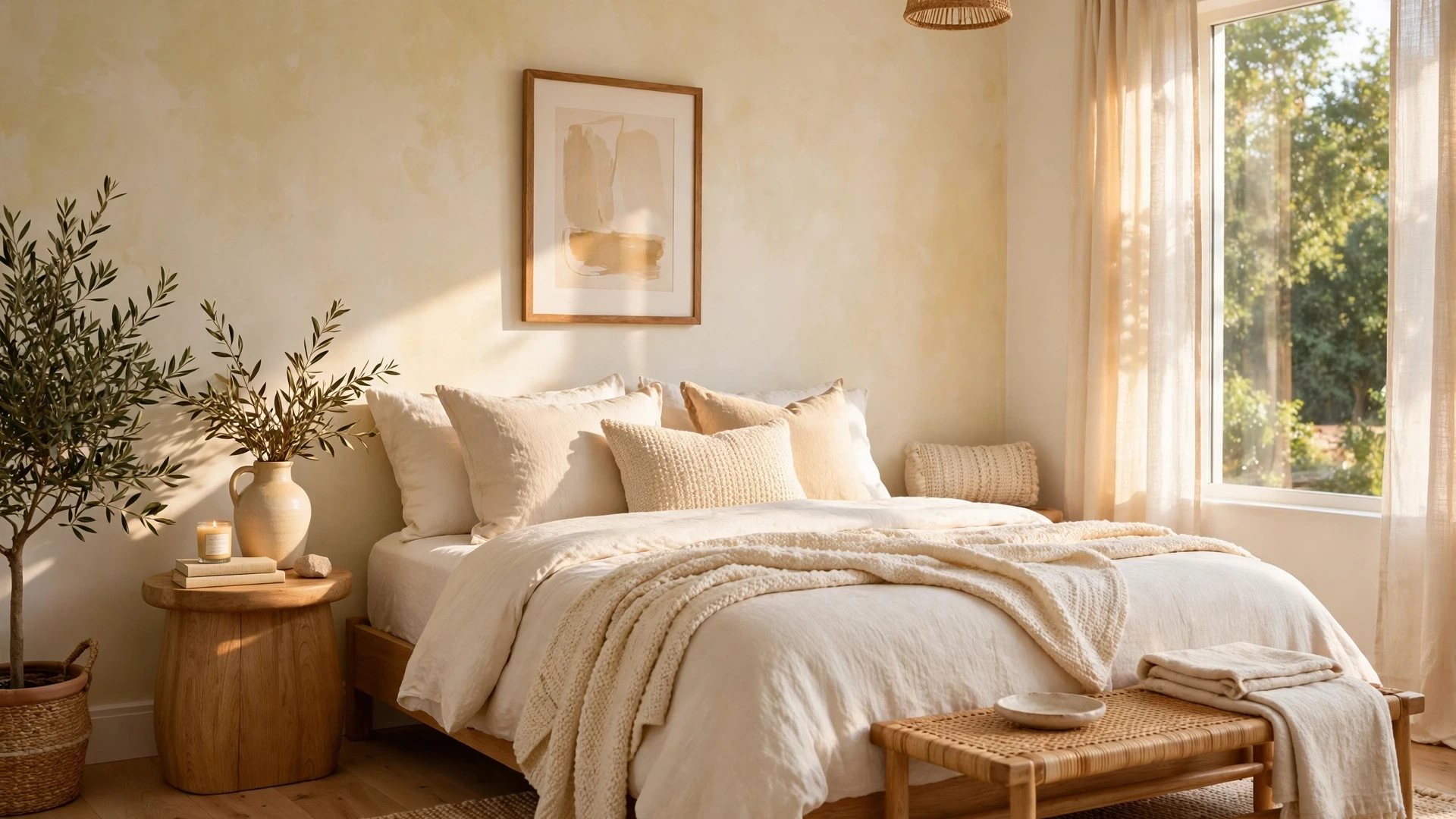
Warm white is not boring — it is a blank canvas with a heartbeat. Unlike stark, blue-toned whites that can feel clinical, a warm white has soft yellow or cream undertones that make a bedroom feel sun-kissed and welcoming even on gray mornings. It is the perfect choice if you love changing your decor with the seasons, because absolutely everything works against it.
The trick with warm white is layering texture so it never feels flat. Think chunky knit throws, linen duvet covers, upholstered headboards, and a mix of wood tones. Because the walls do the quiet work, your bedding and art get to shine. Use flat or matte on the walls for that soft, gallery-like finish, and go with satin or semi-gloss on trim and doors for a subtle contrast that makes the millwork pop. Warm white also bounces light around beautifully, making it a hero color for small or dark bedrooms.
6. Deep Navy
Deep navy is the color of midnight skies and it turns a bedroom into a true sanctuary. Rich, enveloping, and a little dramatic, navy makes everything feel more intentional — and it has a wonderful side effect: it makes white bedding look absolutely luxurious against it. Do not fear the dark in a bedroom; it actually promotes rest by mimicking the dimness our brains associate with sleep.
Balance navy's depth with plenty of light elements: crisp white or cream bedding, light wood or even painted white furniture, and warm metallic accents like brass lamps or a gold-framed mirror to keep it from feeling heavy. A textured rug in natural fibers grounds the room. Eggshell is ideal on the walls — it keeps the color rich without glare — and consider painting the ceiling the same navy for a truly cocooning, hotel-suite feel. In a smaller room, limit navy to the wall behind the bed and keep the other walls light.
7. Warm Terracotta
Terracotta brings the sun-baked warmth of desert clay and sunsets into your bedroom, and the effect is pure comfort. This earthy, rusty orange-pink feels rich and grounding — it is cozy without being dark, colorful without being loud. Terracotta walls have a way of making a bedroom feel wrapped and welcoming, like the room itself is giving you a hug.
This color loves warm companions: cream and oatmeal bedding, natural wood furniture, and woven textures like jute, rattan, and clay pottery. For contrast, deep forest green or olive accents look stunning against terracotta — the two sit opposite each other on the color wheel in the most satisfying way. Keep the wall finish to eggshell so the color stays velvety and earthy. Because terracotta is so saturated, make sure to test a large swatch first — it can read more intense on a whole wall than on a tiny chip.
8. Dusty Lavender
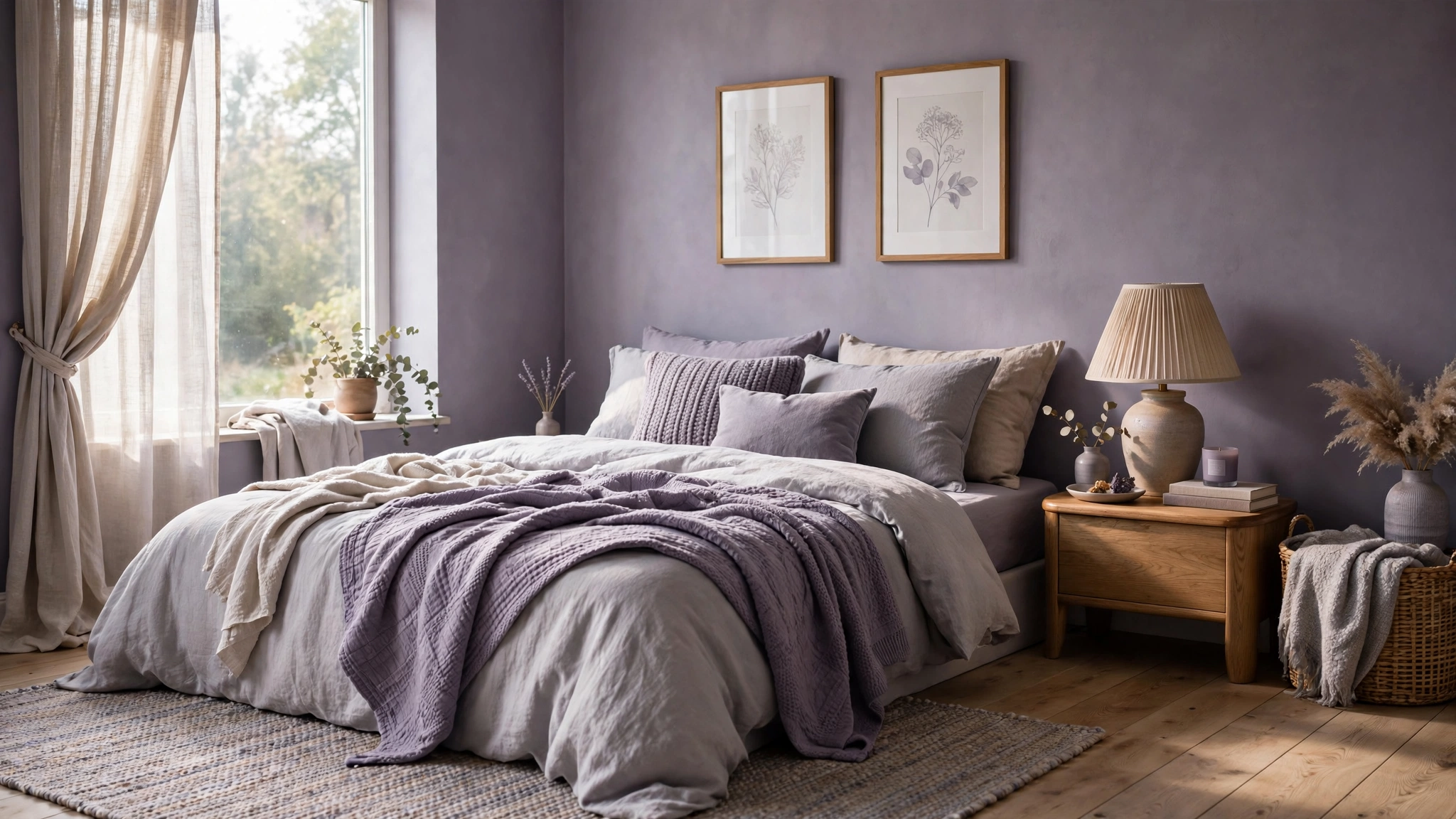
Dusty lavender is the gentler, moodier cousin of pastel purple — softened with gray so it reads as sophisticated rather than sweet. It has a dreamy, romantic quality that suits a bedroom perfectly, and the gray undertone keeps it grounded so it never feels like a child's room. Lavender is also known for its calming effect, making it a natural choice for a space dedicated to rest.
Style it with white or light gray bedding and silver or chrome accents for a cool, serene palette, or warm it up with blush and cream textiles for something softer and more romantic. Light wood or painted white furniture both work beautifully. Eggshell is the best finish here — it gives the color a soft, powdery depth that flat paint can dull and gloss would cheapen. If full lavender walls feel like a lot, try it on the wall behind your headboard with soft gray on the others for a balanced, dreamy look.
9. Warm Taupe
Warm taupe is the quiet luxury of bedroom neutrals — a soft blend of brown and gray that feels richer than beige but stays firmly in neutral territory. It wraps a room in understated warmth, making it feel tailored and calm without demanding attention. Taupe is a wonderful choice if you want color that reads as sophisticated but never steals the spotlight from your bedding and art.
Taupe is happiest surrounded by texture: cream linen bedding, a velvet throw in deep green or rust, natural wood furniture, and maybe a touch of aged brass. It also makes whites look brighter and richer colors look deeper by comparison. Go with an eggshell finish on the walls for a soft, suede-like appearance, and consider a slightly darker taupe on the trim or an accent wall to add depth. In rooms with lots of natural light, warm taupe glows beautifully; in darker rooms it holds its warmth instead of going muddy like cooler grays can.
10. Deep Forest Green
Deep forest green is bold, botanical, and utterly cocooning — like sleeping inside a lush garden at dusk. This rich, saturated green brings nature indoors in the most dramatic way, and it has a wonderfully grounding effect that makes a bedroom feel private and peaceful. It is the perfect color for anyone who wants their bedroom to feel like a true retreat from the world.
To keep forest green from overwhelming the room, pair it with warm, light elements: cream or ivory bedding, natural wood furniture, and brass or gold lighting that glows against the dark walls. Plants — real or faux — feel right at home here and reinforce the botanical mood. Eggshell finish keeps the color deep and velvety without shine. If you are nervous about going dark on all four walls, start with the wall behind the bed as an accent and bring the green into the room through bedding, curtains, or an upholstered headboard.
11. Warm Sand Beige
Warm sand is the color of beach dunes and sunlit linen — a soft, golden beige that makes a bedroom feel instantly warm and relaxed. Unlike cooler beiges that can fall flat, warm sand has enough yellow-gold undertone to glow in natural light, giving the whole room a gentle, sunny warmth even when the sky is overcast. It is a timeless, easy-living color that never goes out of style.
Layer warm sand with lots of white and cream — white bedding against sand walls is a classic for a reason — and add natural textures like linen, wicker, and light wood. A few deeper accents in caramel, rust, or olive keep the palette from washing out. Eggshell on the walls gives sand its best soft, sandy glow, while satin trim keeps everything crisp. This is also an excellent color for renters and first-time painters: it is forgiving, flattering in almost any light, and a breeze to touch up.
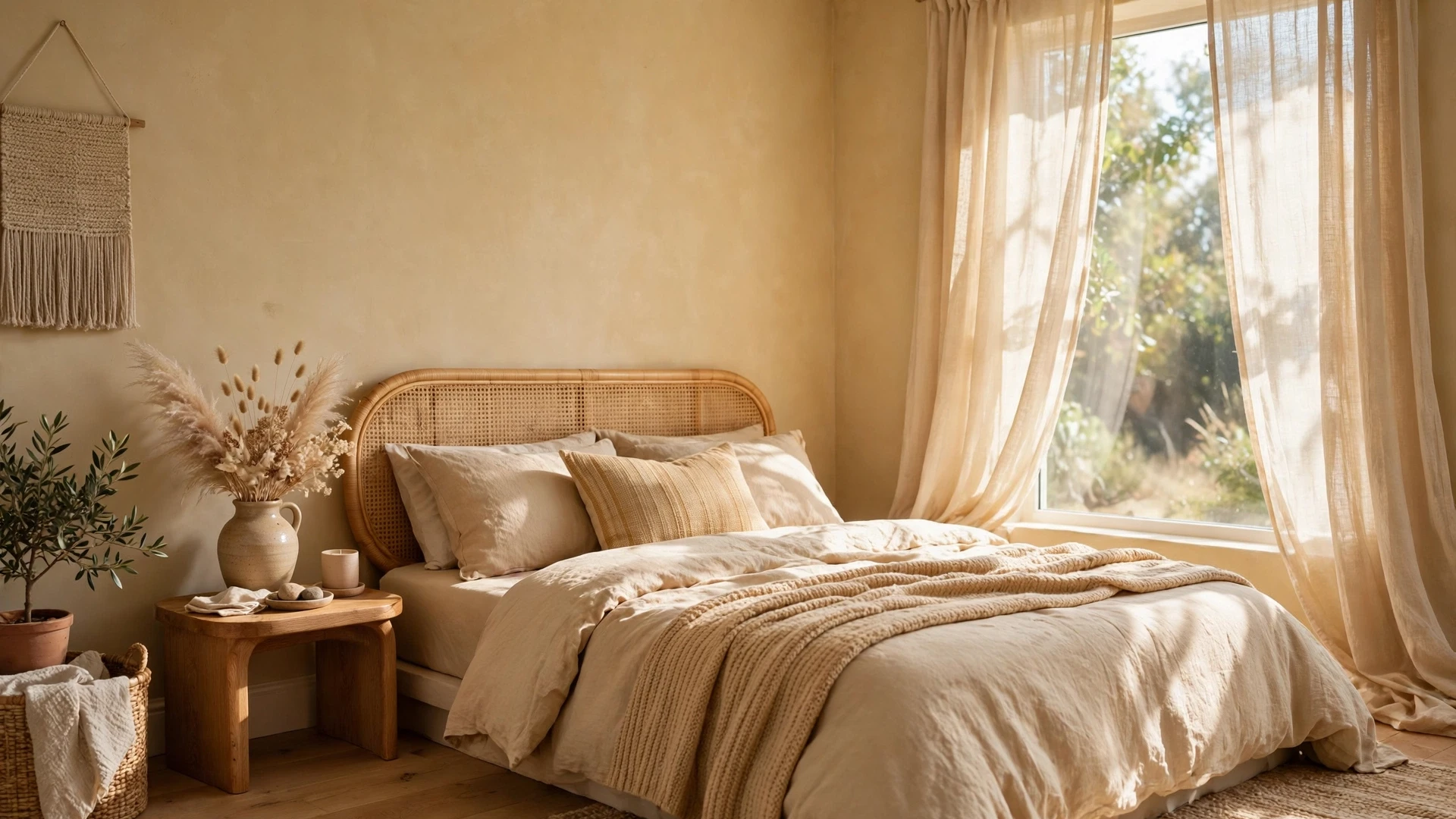
12. Soft Apricot
Soft apricot is like a permanent golden hour for your bedroom — a warm, peachy orange that feels joyful and comforting at the same time. It is more saturated than blush but softer than terracotta, sitting in a happy middle ground that flatters skin tones and makes morning light feel extra warm. Apricot walls give a bedroom a cheerful, optimistic energy that is perfect if you want to wake up smiling.
Keep bedding simple so the walls can shine: white, cream, or soft sage bedding all look fresh against apricot. Natural wood furniture and woven accents lean into the warmth, while a touch of deep green or teal in pillows or art creates a lovely complementary contrast. Use an eggshell finish to keep the color soft and glowing rather than glossy. Like terracotta, apricot is a color to test generously before committing — paint a large swatch and live with it through a full day of light changes to make sure you love it at every hour.
13. Soft Charcoal Gray
Soft charcoal is the grown-up alternative to black — deep, moody, and elegant, but with enough warmth to feel cozy rather than cold. A charcoal bedroom feels like a boutique hotel: dramatic, intimate, and deeply restful. It absorbs light in the most flattering way, making everything in the room — your bedding, your art, your lamps — look richer and more deliberate.
The key to charcoal is contrast. Pair it with light bedding — white, cream, or pale gray — so the bed becomes the luminous focal point of the room. Warm wood tones and brass accents add richness and prevent the room from feeling stark, while a plush rug underfoot keeps it feeling soft. Eggshell is the right call on the walls: flat can look dusty on dark colors, and anything glossier shows every imperfection. If all four walls in charcoal feels like too much, paint the ceiling and trim a warm white and let the walls do the dramatic work.
14. Buttery Pale Yellow
Buttery pale yellow is pure morning sunshine — soft, warm, and quietly cheerful. It is the happiest color on this list, and it does something wonderful in bedrooms: it makes the room feel brighter and more welcoming without ever feeling loud or juvenile. Pale yellow is especially magical in north-facing or basement bedrooms that need a dose of warmth and light.
Keep the look fresh and modern with crisp white bedding and light wood furniture, and let the walls provide all the warmth the room needs. A few accents in soft green or sky blue echo a springtime palette that feels effortlessly cheerful. Eggshell finish gives pale yellow a creamy, inviting glow — avoid anything glossier, which can make yellow look harsh. The secret to getting this color right is choosing a yellow with enough softness in it; you want butter, not highlighter, so test swatches and look at them in both daylight and lamplight before you decide.
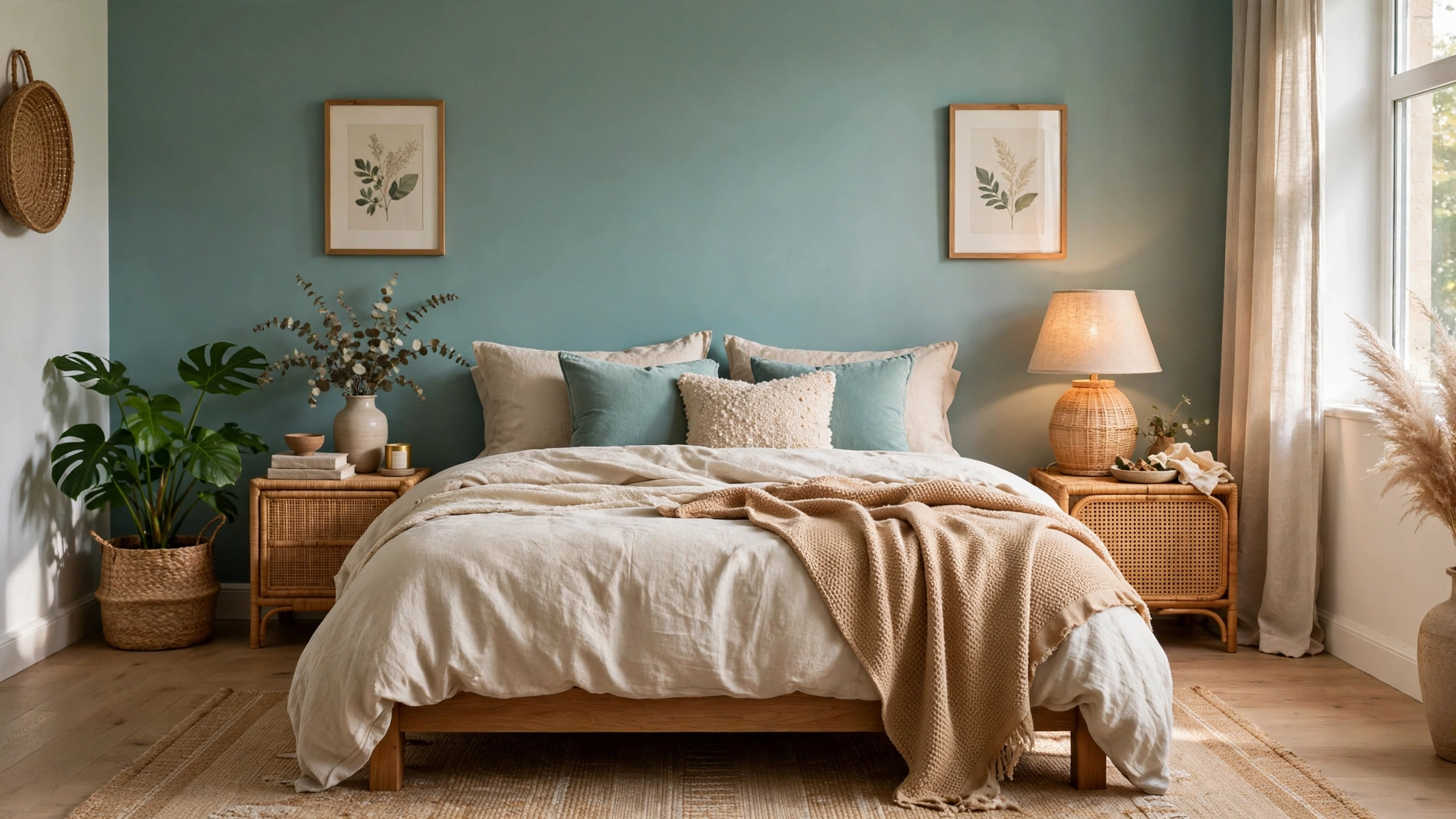
15. Soft Teal
Soft teal — a muted blend of blue and green with a whisper of gray — is one of the most versatile statement colors you can put in a bedroom. It has the calm of blue and the freshness of green, with just enough depth to feel interesting. Teal brings a collected, well-traveled feel to a room, like the color of a sea-glass tile or a vintage map of the ocean.
Teal pairs beautifully with warm neutrals: cream and oatmeal bedding, natural wood furniture, and touches of brass or copper that glow against the cool walls. For a bolder look, coral or terracotta accents play off teal's complementary warmth in the most striking way. Eggshell is the ideal wall finish — it keeps the color rich and velvety. Teal works on all four walls in a larger bedroom, or as a stunning accent wall behind the headboard in a smaller one, with a soft warm white on the remaining walls.
Styling Tips
Picking the color is only half the job — how you test and apply it makes all the difference. These practical tips will help you get a result you love on the first try.
Always test swatches before you commit. Paint a large swatch — at least two feet square — on each wall, or use peel-and-stick sample sheets if you don't want to repaint your primer. Tiny paint chips lie. A color that looks perfect on a one-inch square can feel completely different across a whole wall.
Live with your swatches for a full day. Check them in morning light, afternoon sun, and evening lamplight. Bedrooms change dramatically throughout the day, and a color you love at noon might feel too cold or too dark at 10 p.m. This is especially important for colors like terracotta, apricot, and pale yellow, which shift noticeably as light changes.
Consider which direction your room faces. North-facing bedrooms get cool, indirect light that intensifies blue and gray undertones — warm colors like sand, blush, and warm white will balance it out. South-facing rooms get warm, golden light that flatters cool colors like misty blue, sage, and teal while making warm colors feel even warmer.
Choose the right sheen. For bedroom walls, eggshell is the all-around winner: it has a soft glow, resists scuffs better than flat, and doesn't highlight wall imperfections the way satin or semi-gloss can. Use flat or matte on the ceiling, and satin or semi-gloss on trim and doors for a crisp contrast that makes the woodwork pop.
Don't forget the ceiling. A ceiling doesn't have to be plain white. Painting it the same color as the walls in a shade or two lighter creates a seamless, cocooning effect, while a bold choice — like matching deep navy or forest green walls — makes the room feel like a true retreat.
Tie it together with bedding and curtains. Your wall color sets the stage, but textiles finish the story. Pull two or three tones from your palette into your bedding, pillows, and curtains so the whole room feels intentional. If your walls are bold, keep bedding simpler; if your walls are neutral, let your textiles bring the pattern and color.
FAQ
How do I choose a paint color for a small bedroom?
Lighter colors like warm white, warm sand, misty blue, and soft sage make small bedrooms feel more open because they reflect light rather than absorbing it. That said, a small bedroom can also handle a dark color beautifully — deep navy or forest green on all four walls creates a cozy, cocoon-like feel that makes the room feel intentional rather than cramped. If you're unsure, start with a light color on three walls and a deeper shade on the wall behind the bed.
What is the most relaxing paint color for a bedroom?
Soft, muted colors with cool or nature-inspired undertones tend to be the most relaxing: soft sage, misty light blue, dusty lavender, and warm greige are all excellent choices. The key is low saturation — intense, vivid colors stimulate the mind, while soft, muted ones help it wind down. Pair your calming color with an eggshell finish for a soft, non-reflective glow.
Should bedroom walls be flat or eggshell?
Eggshell is the best choice for most bedroom walls. It has a subtle, soft glow that looks richer than flat paint, it's more durable and easier to wipe clean, and it doesn't highlight bumps and imperfections the way shinier finishes do. Save flat paint for ceilings and use satin or semi-gloss on trim and doors for contrast.
How many walls should I paint in an accent color?
One accent wall — usually the wall behind the headboard — is the classic choice and works well with bolder colors like deep navy, forest green, or terracotta. But there's no rule that says you have to stop at one. Painting all four walls in a rich color creates a dramatic, cocooning effect that many designers love for bedrooms. Just be sure to balance darker walls with lighter bedding and good lighting.
Can I use a dark paint color if my bedroom doesn't get much light?
Absolutely — in fact, low-light bedrooms are some of the best candidates for dark colors. Trying to force brightness into a naturally dark room with white paint often just makes it look gray and shadowy. Embracing the darkness with deep navy, forest green, or charcoal creates a moody, intimate space that feels deliberate and cozy. Just layer in warm lighting — bedside lamps, a floor lamp, or even string lights — so the room feels inviting rather than cave-like.
Do I need to paint the ceiling white?
No — white ceilings are a default, not a rule. In a bedroom, painting the ceiling a shade or two lighter than your wall color (or even the same color) creates a seamless, enveloping feel that many people find extra cozy. A darker ceiling can make a tall room feel more intimate. If you do want contrast, a soft warm white ceiling works with almost any wall color.
A Final Word
Your bedroom walls are the backdrop to your mornings and your nights, your quiet moments and your lazy Sundays — so choose a color that feels like you. Whether you fall for the calm of soft sage, the drama of deep navy, or the warmth of terracotta, the right paint color has a way of making everything else in the room fall into place. Test your swatches, trust your instincts, and enjoy the process. The most beautiful bedrooms aren't the ones that follow every rule — they're the ones that feel like home the moment you walk in.