

Formal Dining Room Ideas: 20 Elegant, Timeless Designs
A formal dining room is more than just a place to eat. It is the stage for holiday dinners, anniversary celebrations, family milestones, and those lingering evening conversations that turn a meal into a memory. Unlike an everyday eat-in kitchen, a formal dining room carries a sense of occasion, and its design should reflect that. The good news is that creating one does not require a mansion, a decorator’s budget, or a degree in interior design. With the right furniture, layered lighting, and thoughtful styling, any dining room can become a space that feels elegant, welcoming, and timeless.
In this guide, we walk through twenty formal dining room ideas that cover every layer of the room, from the table and chairs to the lighting, walls, textiles, and table settings. Use them together for a full transformation or pick the ones that speak to you and evolve your space over time.
1. Anchor the Room With a Statement Dining Table
Choose a Table With Presence
The dining table is the centerpiece of a formal dining room, so it deserves pride of place. A large rectangular table in a rich wood finish, such as walnut, mahogany, or dark oak, instantly communicates formality and tradition. Rectangles seat more guests comfortably and suit longer rooms, while a round or oval table encourages conversation and works beautifully in square spaces.
When choosing a table, think about how many people you realistically host. A table that seats eight to ten gives you room for holiday gatherings without overwhelming the space day to day. Extension tables with removable leaves are a smart compromise: they stay modest for daily use and expand when the guest list grows.
- Allow about 24 inches of table width per person so everyone has elbow room.
- Leave 36 to 48 inches between the table edge and the walls or furniture so chairs can be pulled out comfortably.
- Choose a finish that hides wear well. Dark woods and satin finishes show less dust and fewer fingerprints than high-gloss black.
Wood Finishes That Read Formal
Traditional woods like cherry, walnut, and mahogany bring warmth and gravitas to a formal dining room. If your taste leans modern, a glass-top table with a sculptural base can feel equally dressy, especially when paired with upholstered chairs and dramatic lighting. The key is consistency: the table sets the tone that the rest of the room will follow.
2. Invest in Classic, Comfortable Dining Chairs
Upholstered Chairs for Long Dinners
In a formal dining room, dinner is rarely a quick affair. Upholstered dining chairs, with padded seats and supportive backs, keep guests comfortable through multiple courses. Choose fabrics that balance luxury with practicality: performance velvets, damask, and tightly woven linens look refined and resist stains far better than delicate silks.
Mix Host Chairs With Side Chairs
A classic designer move is to place two taller, grander armchairs at the heads of the table and simpler side chairs along the sides. The host chairs act like thrones that frame the table and add architectural interest. You can mix them by using a different fabric, a contrasting color, or a slightly taller back while keeping the wood finish consistent so the set feels intentional rather than mismatched.
Practical tip: If you fall in love with a fabric you worry about staining, order slipcovers in a matching fabric for everyday use and reveal the good upholstery for special occasions.
3. Layer Your Lighting for Drama and Warmth
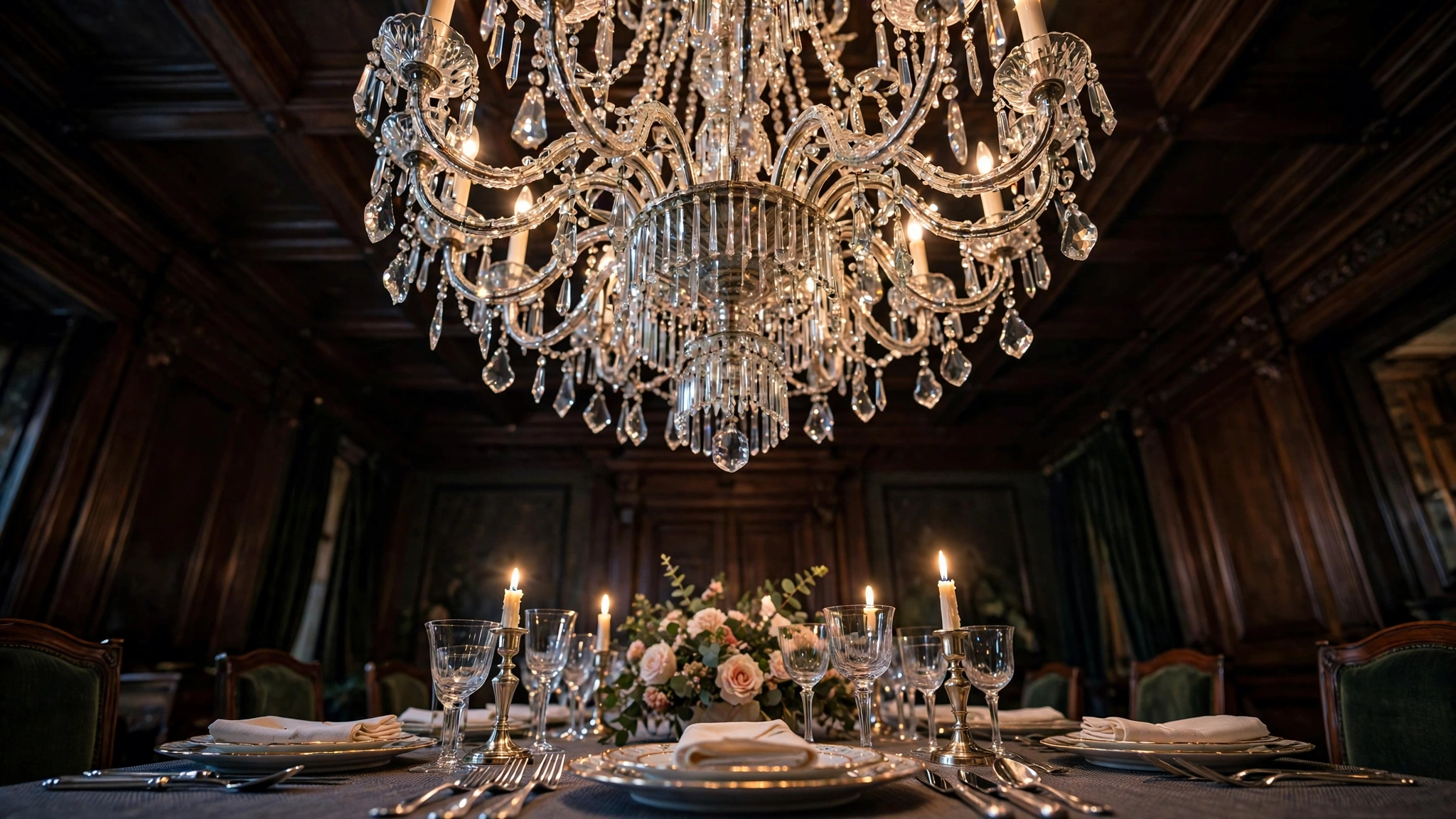
Make the Chandelier the Jewel of the Room
Nothing says formal dining room like a chandelier. It draws the eye upward, adds sparkle, and casts the kind of flattering light that makes everything, and everyone, look their best. Crystal chandeliers suit traditional rooms, while beaded, brass, or sculptural metal fixtures can bridge classic and contemporary styles.
Size the chandelier to the table: the fixture’s width should be roughly one-half to two-thirds the width of the table, and it should hang about 30 to 36 inches above the tabletop so sightlines across the table stay open.
- Crystal and glass fixtures reflect candlelight beautifully during evening dinners.
- Brass and aged-gold finishes add warmth without the maintenance of real crystal.
- A linear chandelier suits long rectangular tables; a round fixture pairs naturally with round tables.
Add Dimmer Switches Everywhere
A dimmer switch is one of the cheapest upgrades with the biggest impact. Bright light for setting the table, low warm light for dessert: being able to tune the mood transforms how the room feels. Put the chandelier, wall sconces, and any picture lights on separate dimmers so you can layer them independently.
Wall Sconces for Soft Perimeter Light
Sconces flanking a mirror, sideboard, or window wash the walls with soft light and eliminate the harsh shadows a single overhead fixture creates. Candle-style sconces with fabric shades look traditional; slim picture-style sconces suit a more modern take. Either way, they add the kind of glow that makes a formal dining room feel intimate rather than cavernous.
4. Dress the Walls: Wainscoting, Molding, and Color
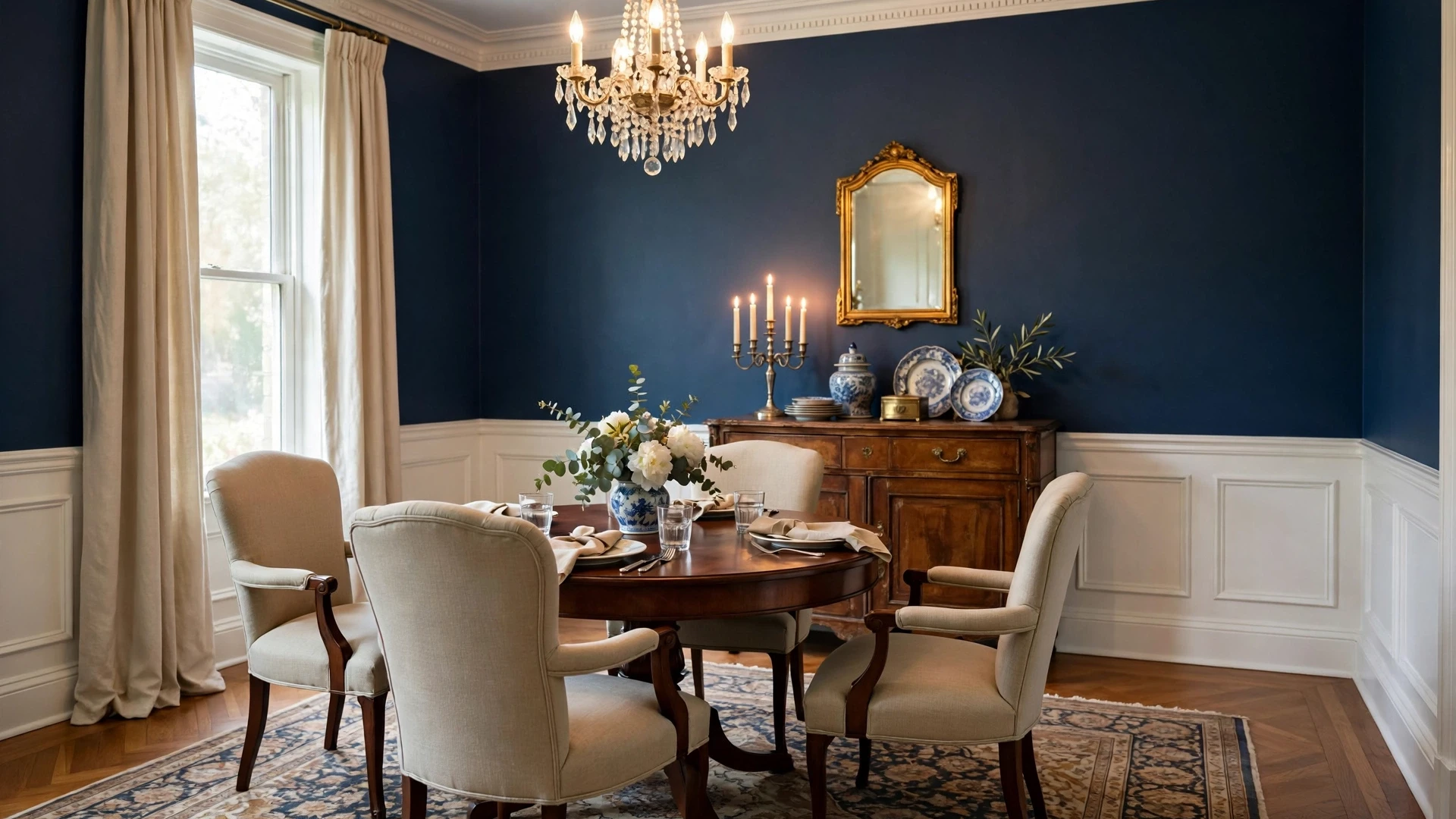
Classic Wainscoting and Chair Rails
Wainscoting, the paneled wood treatment that covers the lower portion of walls, is practically synonymous with the formal dining room. It adds architecture, texture, and a finished feel that flat drywall cannot match. Paint it a crisp white for a traditional look, or match it to the wall color for a seamless, contemporary feel.
A chair rail at about 32 to 36 inches high gives the wall a natural division and, yes, protects the plaster from chair backs. Crown molding at the ceiling completes the tailored look. These details tell guests that the room was designed with intention.
Rich, Moody Wall Colors
Deep, saturated colors flatter formal dining rooms because most of their use happens in the evening under warm light. Navy, forest green, deep burgundy, and charcoal create a cocooning effect that feels luxurious. If dark walls feel like too much, try a moody color on one accent wall, or keep walls neutral and bring depth through the drapery and rug.
- Test paint samples in evening light before committing; colors read very differently at night.
- Eggshell or satin finishes are forgiving on imperfect walls and catch candlelight softly.
- High-gloss finishes on trim make moldings pop against matte walls.
Hang a Large Mirror or Artwork
A generously sized mirror above the sideboard doubles the candlelight and makes the room feel larger and brighter. An oversized framed painting or a gallery-style pair of prints adds personality. In formal rooms, bigger is almost always better: one large piece has more presence than several small ones.
5. Ground the Space With an Elegant Area Rug
Size the Rug for Pulled-Out Chairs
A rug under the dining table softens the room acoustically and visually, and it defines the dining zone within an open space. The most common mistake is choosing a rug that is too small. The rug should extend at least 24 inches beyond the table on every side so that chairs stay on the rug even when pulled out.
Patterns That Suit Formal Rooms
Oriental and Persian-style rugs are natural partners for formal dining rooms: their intricate patterns hide crumbs and wear while adding richness underfoot. If you prefer modern, a subtle tone-on-tone pattern or a bordered design keeps things elegant without competing with the table. Low-pile rugs make it easy to slide chairs and clean up spills.
Practical tip: Lay down a rug pad to prevent slipping and to add cushioning that protects both the rug and the floor beneath.
6. Add Storage That Doubles as Decor
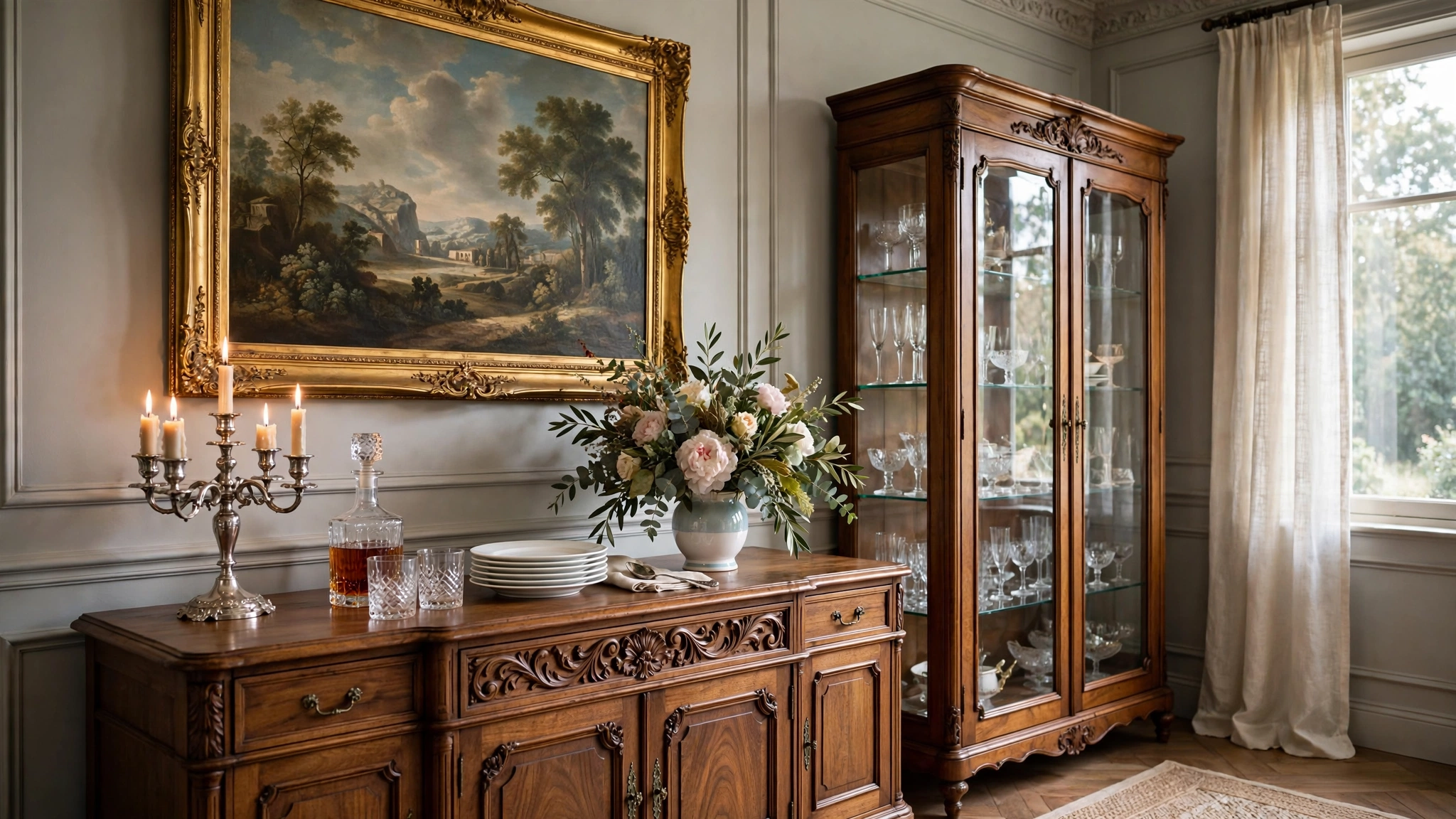
The Classic Sideboard
A sideboard, buffet, or credenza is the workhorse of a formal dining room. It holds serving dishes, table linens, and candles between meals, and it becomes a serving station during dinner parties. Style its top with a pair of candlesticks, a small floral arrangement, and a tray for barware or decanters, and it functions as a focal point even when dinner is not being served.
China Cabinets and Display Hutches
A glass-front china cabinet displays your best dinnerware and glassware while keeping it dust-free and ready to use. Arrange shelves with intention: group by color or type, leave some breathing room, and light the interior if possible. If a full cabinet feels too traditional, a tall bookcase styled with serving pieces achieves a similar effect with a lighter footprint.
Bar Carts for Entertaining
A bar cart adds a touch of glamour and a practical serving surface that moves wherever it is needed. Stock it with a few bottles, a decanter, glassware, and cocktail tools. During a dinner party, it becomes a natural gathering point before everyone sits down.
7. Choose Window Treatments With Weight and Grace
Full-Length Drapes
Floor-length drapes are the formal dining room’s signature window treatment. They add softness, absorb sound, and frame the windows with elegance. Hang the rod high and wide, close to the ceiling and well beyond the window frame, so the windows look larger and the drapes stack without blocking light.
- Velvet or heavy linen drapes suit traditional rooms; sheer layers beneath add daytime privacy.
- Let the fabric just kiss the floor or puddle slightly for a relaxed-luxury look.
- Choose a lining that protects the fabric from sun fading on south-facing windows.
Roman Shades as an Alternative
If long drapes overwhelm your room or you prefer cleaner lines, tailored Roman shades in a textured fabric deliver formality without the volume. Layer them under a simple cornice or valance for a finished look that still feels dressed up.
8. Master the Art of the Table Setting
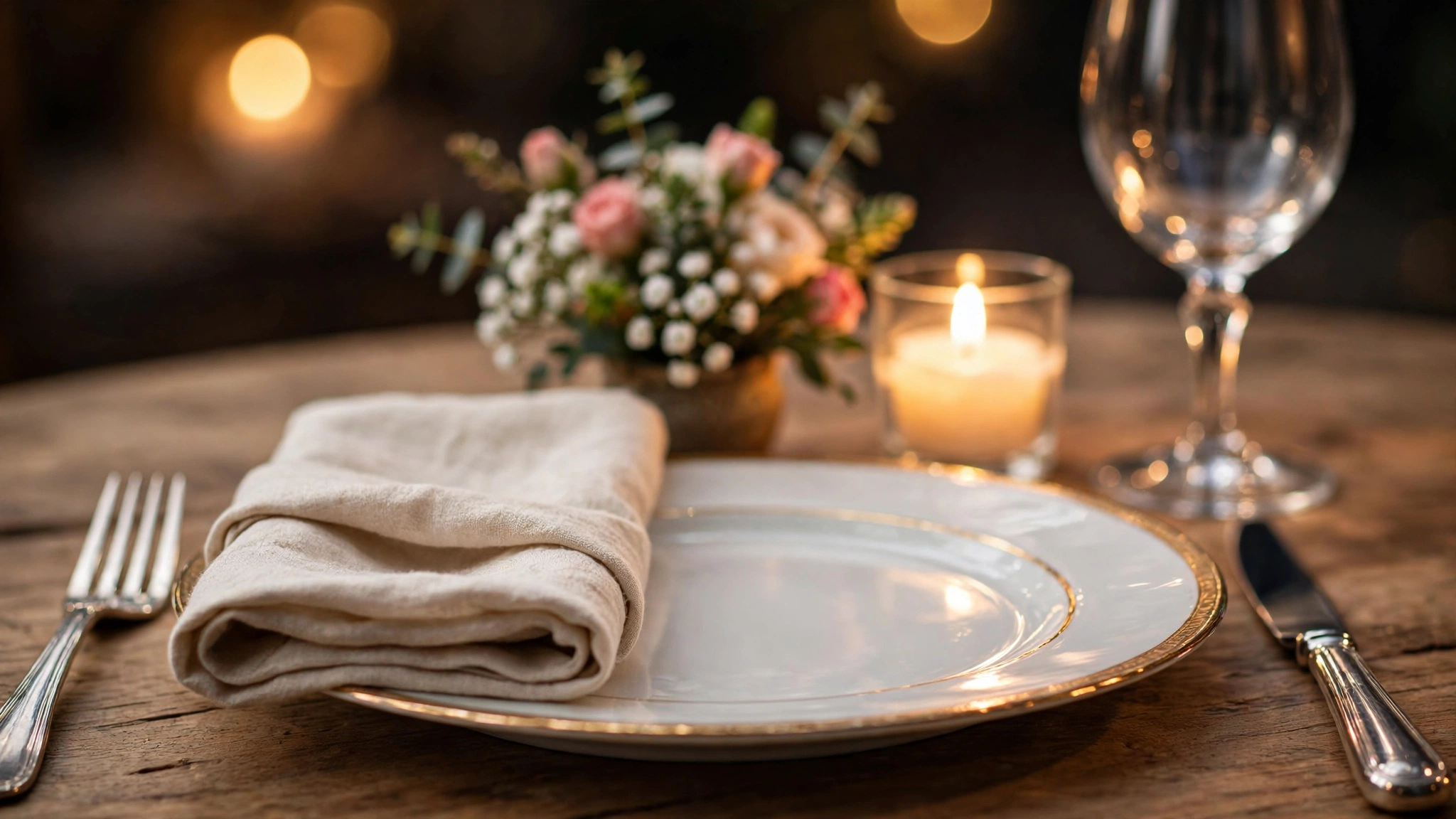
The Classic Formal Place Setting
A properly set table is the finishing touch that makes a formal dining room feel complete. Start with a charger plate as the base, place the dinner plate on top, then add the salad plate if you are serving one. Forks go on the left in order of use from the outside in, knives and spoons on the right with blades facing the plate. Glasses sit above the knives: water glass first, then wine glasses arranged by course.
Practical tip: You do not need to memorize the full formal place setting. Set for the menu you are actually serving: remove any piece that has no purpose at your meal, and the table instantly looks confident rather than cluttered.
Linens That Elevate the Table
A tablecloth or a well-chosen runner transforms an ordinary dinner into an occasion. Crisp white or ivory linens are the classic choice because they make food look its best and suit any centerpiece. Cloth napkins, folded simply or tucked into a napkin ring, signal care in a way paper never can. Keep a spare set of napkins and a stain-treatment routine so the good linens stay beautiful.
Centerpieces With Presence, Not Height
The best formal centerpieces are low enough that guests can see each other across the table. A long, low arrangement of flowers, a row of pillar candles at varying heights, a bowl of seasonal fruit, or a garland of greenery all work beautifully. For longer tables, repeat the same arrangement two or three times down the length of the table for rhythm and balance.
- Unscented candles only: fragrance competes with the food.
- Keep centerpieces under about 14 inches tall so conversation flows.
- Fresh flowers one to two days before a party keeps them looking their best.
9. Bring in Classic Dining Chairs With Character

Chair Styles That Read Formal
Certain chair silhouettes have dressed dining rooms for centuries: the Queen Anne with its curved cabriole legs, the Chippendale with its pierced splat back, the Louis XVI with its oval medallion back, and the Parsons chair with its clean upholstered lines. You do not need antiques to capture the effect; reproduction chairs in these styles are widely available and often more comfortable than the originals.
Mixing Wood and Upholstery Tones
If your table is a deep mahogany, chairs with matching dark frames and cream upholstery create a cohesive, formal look. For contrast, black-lacquered chairs with neutral seats add drama against a lighter wood table. Keep the seat fabric performance-friendly: dining chairs take more abuse than almost any other seat in the house.
10. Finish With Thoughtful Styling and Ambience
Fresh Flowers and Greenery
Nothing makes a formal dining room feel alive like fresh flowers or greenery. A single dramatic arrangement on the sideboard, a small bud vase at each place setting, or a bowl of lemons and eucalyptus on the table adds color, scent, and a sense of care. Even when you are not entertaining, a simple green plant in the corner keeps the room from feeling like a museum.
Candlelight as a Design Layer
Treat candles as part of the room’s design, not just party accessories. A pair of tall candlesticks on the sideboard, a cluster of votives on the mantel or windowsill, and taper candles ready on the table mean the room can shift into evening mode in minutes. Keep a dedicated drawer of candles, matches, and a snuffer so you are never hunting for them.
Seasonal Touches That Keep It Fresh
A formal dining room earns its keep during the holidays, so give it seasonal moments: a garland across the sideboard in winter, fresh tulips in spring, bowls of fruit in summer, warm-toned foliage in autumn. Small, intentional changes keep the room feeling current without a full redecorating effort.
- Store seasonal decor in labeled bins near the dining room for easy swaps.
- Change one element at a time, like the centerpiece or the drapery tiebacks, for maximum effect with minimum effort.
- Photograph arrangements you love so you can recreate them next year.
Putting It All Together: A Simple Design Plan
If the twenty ideas above feel like a lot, start with this sequence. First, get the big pieces right: the table, the chairs, and the rug, sized correctly for your room and your guest list. Second, layer the lighting: a chandelier on a dimmer plus sconces or lamps for warmth. Third, dress the walls and windows with molding, paint, drapes, and a large mirror or piece of art. Finally, invest in the details that make gatherings special: good linens, a flexible table-setting system, candles, and a sideboard that holds everything you need.
A formal dining room does not have to be stuffy or precious. The most memorable ones feel layered and personal: the good china next to a quirky candlestick from a flea market, the family silver beside fresh wildflowers. Build the classic foundation with these ideas, then let your own taste and traditions do the rest. Your dining room will thank you at every gathering for years to come.
Frequently Asked Questions
What makes a dining room “formal”?
A formal dining room is defined by intention and dressiness rather than size. The markers are a dedicated table with seating for several guests, layered lighting centered on a chandelier, dressed windows, architectural wall details like wainscoting or molding, an area rug, and proper table settings with linens. It is a room designed for sit-down meals and entertaining rather than everyday casual eating.
Can a small room be a formal dining room?
Absolutely. A small room can feel even more intimate and elegant as a formal dining room. Use a round or square table to maximize seating, hang a mirror to double the light, keep the color palette cohesive, and choose a rug that fits with room for chairs to pull out. Moody wall colors can make small dining rooms feel jewel-box-like rather than cramped.
How do I choose the right chandelier size?
As a rule of thumb, the chandelier’s width should be about one-half to two-thirds the width of your dining table, and it should hang 30 to 36 inches above the tabletop. For rooms, add the room’s length and width in feet and use that number in inches as a starting diameter. Always check the fixture’s weight rating and ceiling support for heavy pieces.
What is the best rug size for a dining room?
The rug should extend at least 24 inches beyond the table on all sides so chairs remain on the rug when pulled out. For a standard six-seat rectangular table, that usually means a rug around 8 by 10 feet; for eight to ten seats, look at 9 by 12 feet. Low-pile rugs in patterns that hide wear are the most practical choice.
Do I need a tablecloth for a formal dining room?
Not necessarily. A beautiful wood table deserves to be seen, and a runner with placemats can feel just as formal as a full tablecloth. Tablecloths shine when the table itself is plain or worn, when you want a crisp uniform backdrop for an elaborate centerpiece, or for the most ceremonial occasions. Choose whichever suits your table and your mood.
How can I make my formal dining room feel less stiff?
Mix in one or two relaxed elements: a live plant, casual pottery among the fine china, linen napkins instead of starched ones, or a piece of modern art on a traditional wall. Warm dimmable lighting, comfortable upholstered chairs, and fresh flowers also soften formality. The goal is a room that feels special but still invites people to linger.
What colors work best in a formal dining room?
Deep, saturated colors like navy, forest green, burgundy, and charcoal create a luxurious evening mood, while warm neutrals like ivory, taupe, and greige feel timeless and versatile. Crisp white wainscoting pairs well with almost any wall color. Since dining rooms are used mostly in the evening, test your colors under warm artificial light before deciding.


