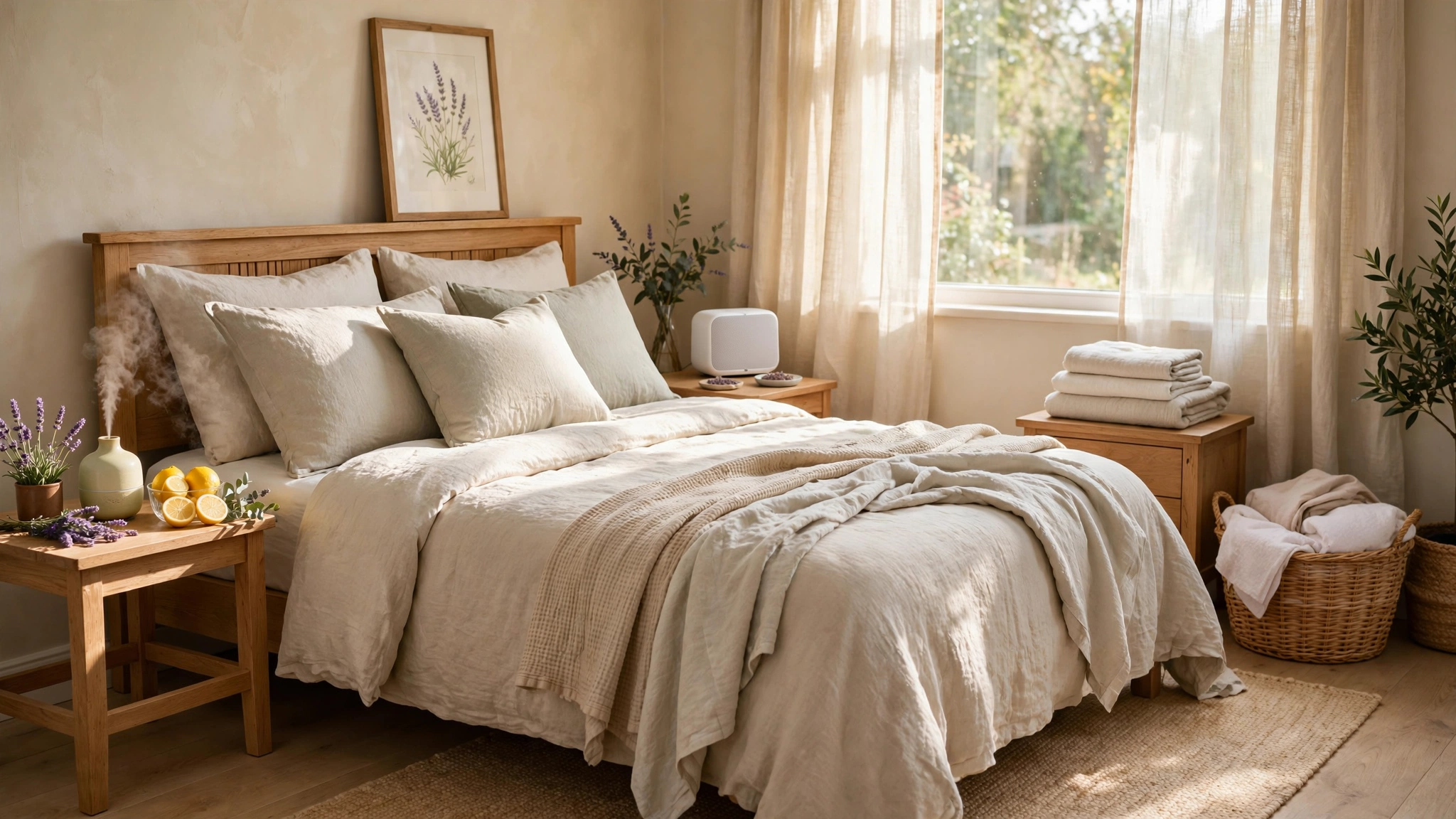

15 Welcoming Guest Bedroom Ideas
A guest bedroom has one job: to make visitors feel at home the moment they walk in. Unlike a master bedroom, which evolves around your own habits over the years, a guest room needs to say "I'm so glad you're here" with no learning curve. That means layers of softness, thoughtful little touches, and a space that feels finished rather than like a spare room that happens to have a bed in it.
The good news is you don't need a big budget or a full renovation to pull this off. Most of the magic comes from texture, warmth, and a few smart choices that hotel designers have known forever — fresh bedding, forgiving lighting, and places for everything a guest might need. Below, you'll find fifteen welcoming guest bedroom ideas that range from quick weekend refreshes to full cozy makeovers. Pick one, or mix and match a handful. Your guests will notice the difference, and honestly, you might start wanting to sleep in there yourself.
1. Layer the Bed Like a Boutique Hotel
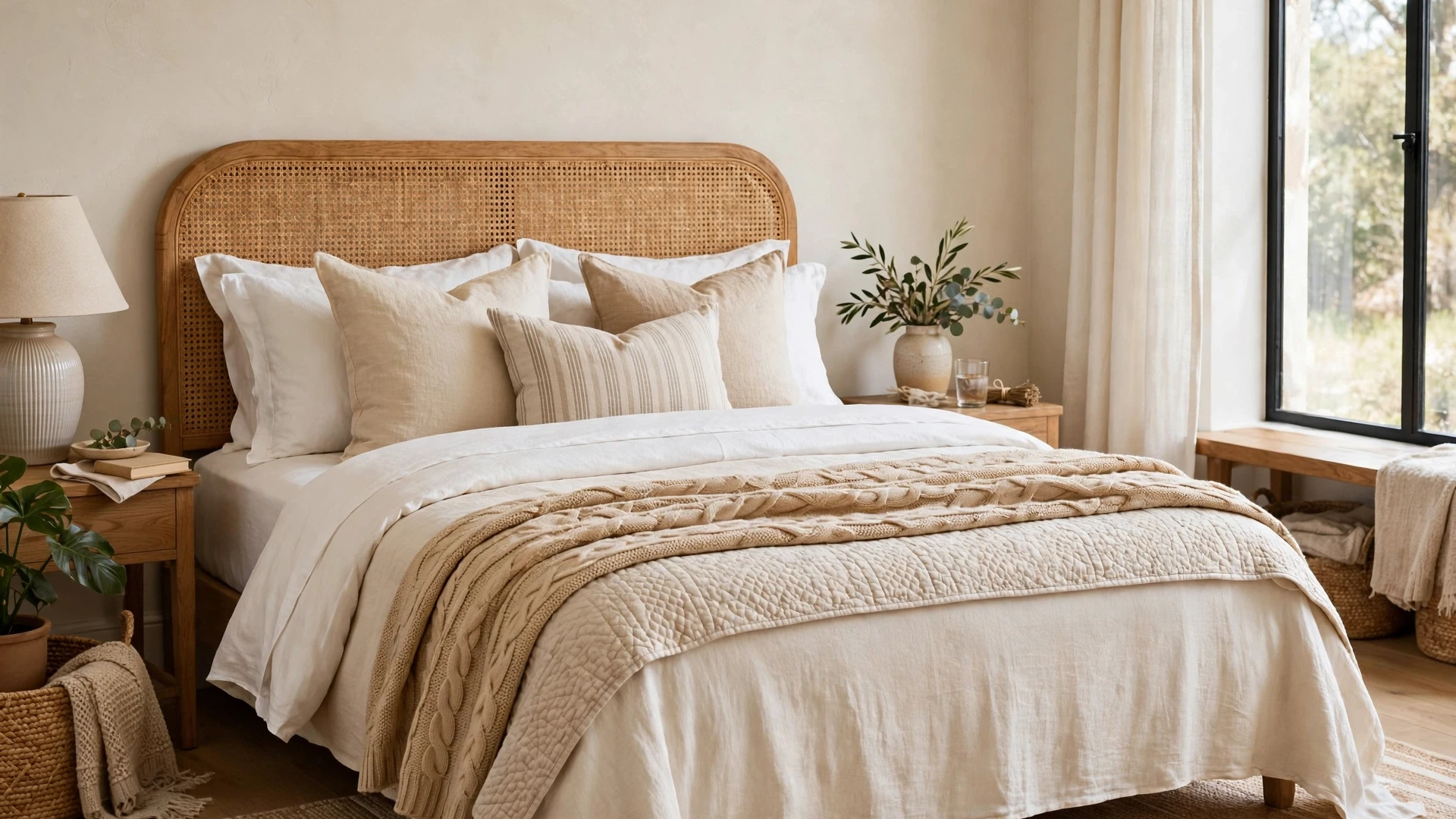
Nothing says "welcome" faster than a bed that looks like it belongs in a boutique hotel. Start with crisp cotton or linen sheets in a soft white or warm ivory — guests instinctively trust a fresh, clean-looking bed. Then build upward: a lightweight quilt or coverlet as the base layer, a folded throw blanket across the foot for texture, and a row of pillows that goes beyond the basics. Use two sleeping pillows in simple shams, then add two or three decorative cushions in different sizes and fabrics — think a chunky knit, a velvet square, and a small lumbar pillow in a gentle pattern.
Tuck the top sheet back a few inches so the fold is visible, and let the throw drape naturally rather than folding it into a stiff rectangle. Choose a palette of warm neutrals — oat, sand, soft clay — with one muted accent like sage or dusty blue so it feels calm instead of busy. The whole effect takes ten minutes and makes the room feel instantly five-star.
2. Add a Cozy Reading Corner
A small reading corner turns a guest room from a place to sleep into a place to linger. You only need about a square yard: pick a spot near a window if you can, then anchor it with a comfortable armchair or a generously sized accent chair in a soft fabric like bouclé, brushed cotton, or washed linen. Drape a lightweight throw over one arm so it looks inviting rather than staged, and place a small side table beside it for a glass of water, a book, or a phone.
Lighting makes or breaks this corner. A floor lamp with a fabric shade gives a warm pool of light without the harshness of overhead bulbs, and a warm-toned bulb around 2700K keeps everything golden and calm. Add a small stack of two or three books on the table — a novel, a local guide, maybe something visual — so guests feel there's something to discover. A slim floor cushion or a soft rug under the chair completes the nook and keeps bare feet off a cold floor in the morning.
3. Use Soft, Warm Lighting Everywhere
Harsh overhead lighting is the fastest way to make a guest room feel cold and institutional. Instead, build your light in layers. Start by swapping the ceiling bulb for a warm one and, if you can, put it on a dimmer so guests can set the mood themselves. Then add two smaller sources: a table lamp or wall sconce on each side of the bed, with simple fabric or frosted shades that diffuse the glow evenly across the room.
A third touch makes it feel truly considered — a small lamp on the dresser or a battery-operated candle on a shelf adds depth and warmth after dark. Keep all the bulbs at the same warm color temperature so the room feels cohesive instead of patchy. Sheer curtains also play a role here: during the day they soften incoming sunlight into a gentle glow rather than leaving guests squinting. The goal is a room that feels like candlelight at every hour — flattering, relaxing, and easy on tired travelers' eyes.
4. Create a Landing Zone by the Door
Guests arrive with luggage, coats, and a handful of things they need within arm's reach — and nothing feels less welcoming than having nowhere to put any of it. Set up a simple landing zone just inside the door: a bench, a low stool, or even a sturdy ottoman gives them somewhere to set a suitcase at a comfortable height for unpacking. A couple of wall hooks or a freestanding coat rack nearby handles jackets, hats, and tomorrow's outfit.
If space is tight, a narrow console table with a small tray for keys, glasses, and a phone does the same job in a smaller footprint. A round mirror above it helps guests check themselves before heading out, and it bounces light around the room. Finish with a small rug or runner in a washable fabric so the spot feels intentional and keeps dirt from shoes away from the rest of the floor. It's a small arrangement that quietly solves a dozen little arrival-day frustrations.

5. Stock a Thoughtful Welcome Basket
A welcome basket is one of those touches guests remember long after the visit. Choose a simple woven basket or a pretty tray and fill it with things that say "I thought of you": a bottle or two of water, a few individually wrapped snacks, a small bar of good soap, a travel-size lotion, and maybe a local treat or a bag of herbal tea. Keep it visible on the dresser or at the foot of the bed with a short handwritten note — even two lines of welcome make it feel personal rather than generic.
Style the basket so it looks like part of the decor: fold a small hand towel over one side, tuck in a sprig of dried lavender or eucalyptus, and arrange everything so colors coordinate loosely with the room. Refill it between visits so nothing goes stale. The whole thing costs very little, but it transforms the guest experience from "there's a room for you" to "we couldn't wait for you to arrive."
6. Choose Calming Wall Colors
Guest rooms work best in colors that calm rather than energize, since visitors arrive in all kinds of moods. Warm whites, soft greiges, pale sage, and gentle dusty blues are all wonderful choices — they feel fresh without being stark, and they make the room feel bigger and brighter than bolder colors would. If you love color but want to keep things restful, try painting just one accent wall behind the bed in a muted tone like warm terracotta, soft clay, or a deep-but-dusty green, and keep the other three walls light.
Pay attention to undertones: a white with a warm, creamy undertone feels cozier than a bright blue-white, especially in north-facing rooms that get cooler light. Test large swatches and look at them morning and evening before committing. If painting feels like too much, the same calming effect comes from large-scale textiles — a floor-to-ceiling curtain in a soft natural fabric or a big piece of quiet, abstract art can shift the whole mood of the walls without a single paintbrush.
7. Add Texture with Throws and Rugs
Texture is what makes a room feel cozy instead of just decorated, and the guest bedroom deserves plenty of it. Start underfoot: a soft area rug beside or under the bed means guests' first step in the morning lands on something warm rather than cold flooring. A low-pile wool or cotton rug in a natural tone works beautifully, and if the room has wall-to-wall carpet already, a smaller layered rug on top still adds that extra softness.
Then bring texture to the bed itself. A chunky knit throw in cream or oatmeal draped across the foot, a couple of cushions in nubby boucle or washed linen, and a quilted coverlet all invite touch — and touching is believing when it comes to comfort. Mix at least three different textures in the same color family so it reads as rich rather than matchy. Even small additions count: a woven storage basket, a jute tray on the nightstand, or curtains with a subtle slub weave all add that tactile, lived-in warmth guests love.
8. Offer Plush, Hotel-Quality Bedding Options
Everyone sleeps differently, so the most welcoming thing you can do is give guests choices. Provide two pillow types — one medium-firm and one softer — and label nothing; just stack an extra set in the closet or on a shelf so guests can swap without asking. Keep a folded spare blanket or a lightweight duvet at the foot of the bed or in an ottoman, so someone who runs cold can layer up without hunting around the house at midnight.
When choosing the bedding itself, prioritize breathable natural fibers like cotton percale for warm climates or cotton sateen for a slightly silkier feel; both wash well and hold up to frequent guest turnover. A mattress topper is worth considering too — it instantly upgrades any mattress and hides a multitude of sins in an older bed. Wash everything between visits and store the spares in a breathable cotton bag rather than plastic, so they smell fresh instead of musty. Guests may never comment on the bedding directly, but they'll absolutely remember sleeping well.

9. Style the Nightstands Thoughtfully
Nightstands are prime real estate in a guest room, and a little styling goes a long way. Keep the surface mostly clear — guests need room for their own phone, glasses, and book — but add three essentials: a small lamp with a warm bulb, a carafe or bottle of water with a glass, and a small dish or tray to corral jewelry or keys. If there's room, a tiny bud vase with a fresh or dried stem adds life without taking over.
Inside the drawer or on a lower shelf, tuck a few guest-friendly extras: a phone charger with common cable types, a notepad and pen, and a small flashlight for unfamiliar middle-of-the-night navigation. Keep cords tidy with a simple cable clip so the whole setup looks calm rather than cluttered. Match the two nightstands in style and height for a pulled-together look, and choose pieces with at least a drawer or shelf so guests have somewhere to stash personal items out of sight. It's hospitality you can see — and use — from the bed.
10. Hang Blackout Curtains for Better Sleep
Great sleep is the greatest gift a guest room can give, and light control is half the battle. Blackout curtains or lined drapes make an enormous difference, especially for guests adjusting to a new time zone or anyone sensitive to early morning sun or streetlights. Choose curtains in a soft, room-flattering fabric — linen-look or a gentle cotton weave — in a color that complements the walls, and hang them high and wide so the window looks larger and the fabric stacks neatly to the sides during the day.
Layer sheers underneath for daytime privacy without darkness; guests can choose bright and airy or cave-like and sleepy. Make sure the curtain rod extends well past the window frame so no slivers of light sneak around the edges — that's the detail that separates real blackout from almost-blackout. If full curtains aren't possible, a simple blackout roller shade behind decorative panels works just as well. Either way, your guests will wake up rested instead of squinting, and they'll thank you for it.
11. Add Greenery and Fresh Touches
A little bit of life makes a guest room feel cared for rather than stored. A low-maintenance plant — a pothos trailing from a shelf, a snake plant in a pretty pot, or a small olive tree in the corner — adds color, softness, and a sense of freshness that no decor object can fake. Choose plants that forgive neglect, since guest rooms sometimes sit empty for weeks; a quick watering check before each visit is all they need.
Fresh flowers are the classic welcome gesture for a reason: even a small bunch of grocery-store blooms in a simple vase on the dresser makes the room feel celebrated. If fresh flowers aren't practical, a bowl of dried lavender, a eucalyptus sprig in a bud vase, or a lightly scented candle (unlit, for safety, or lit only while you're home) adds that same welcoming note. Keep scents subtle — one gentle fragrance at most — since strong smells can bother sensitive guests. The goal is a room that smells faintly of clean and looks quietly alive.

12. Provide Ample, Clever Storage
Guests feel most at home when they can unpack a little instead of living out of a suitcase. Clear at least half the closet and add a set of matching hangers, plus a small stack of empty hangers on the rod. Empty two dresser drawers — or clear a shelf — so there's a real place for folded clothes, and leave them visibly empty rather than stuffed with your overflow. A luggage rack or a sturdy bench at the foot of the bed gives suitcases a home off the floor.
Small storage details matter too: a lidded basket for laundry, a hook on the back of the door for robes or pajamas, and a shallow tray on the dresser for watches and wallets. If the room doubles as an office or craft space, use attractive closed storage — lidded boxes, a cabinet with doors — so your things disappear neatly when guests arrive. Walk through the room with fresh eyes before each visit and remove anything that isn't for the guest; a clutter-free room reads as "this space is truly yours while you're here."
13. Create a Mini Coffee or Tea Station
Morning people and night owls alike will love a tiny self-serve drink station in the guest room. You don't need much: a small tray on the dresser or a rolling cart in the corner holding an electric kettle or single-serve brewer, a few mugs, an assortment of teas and coffee packets, sugar, and a small jug of shelf-stable creamer or honey sticks. Add a couple of spoons and napkins, and you're done.
Style it so it looks intentional: use a wooden or woven tray to corral everything, choose mugs that match the room's palette, and keep packets in a small lidded jar instead of their shipping box. A tiny handwritten card with the Wi-Fi password tucked into the tray is a thoughtful bonus — it's the thing every guest needs and nobody wants to ask for twice. Refill and wipe down the station between visits. This one small setup gives guests the freedom to start their morning on their own terms, which is the very definition of feeling at home.
14. Personalize with Local Touches
A guest room that reflects its place feels special in a way a generic pretty room never does. Add a few local touches: a framed print of a nearby landscape or city scene, a small guidebook or a handwritten list of your favorite nearby cafés, walks, and sights, and maybe a locally made candle, soap, or snack in the welcome basket. These details turn a stay into a little experience and give out-of-town guests an easy starting point for exploring.
Art is the easiest place to personalize. Instead of generic prints, hang a photograph you took on a favorite local trail, a vintage-style map of your town, or a piece by a local artist. A small bookshelf with a mix of novels and local-interest books invites browsing on a lazy afternoon. Even the color palette can nod to place — coastal blues and sandy neutrals near the shore, warm earthy tones in the countryside. Guests notice when a room has a point of view, and "welcome to our corner of the world" is one of the warmest ones there is.
15. Finish with Scent and Sound Details
The final layer of a welcoming guest room is invisible: how it smells and sounds. A gentle, clean scent — fresh laundry, a hint of lavender, or a barely-there citrus — signals "this room was prepared for you" the second the door opens. Use a linen spray on the bedding, an unlit candle, or a reed diffuser rather than plug-ins or heavy sprays, and keep it to one subtle fragrance so it never overwhelms.
Sound matters too, especially in an unfamiliar house. A small white-noise machine or a simple fan gives light sleepers control over background sound and masks creaky-house noises. Mention it in your welcome note so guests know it's there. Soft-close drawers, felt pads under the nightstand legs, and a door that doesn't squeak are tiny maintenance wins that add up to a peaceful stay. These are the details guests can't quite name but absolutely feel — the difference between a room that's merely nice and one they talk about on the drive home.
Styling Tips
Start with the bed, then work outward. The bed is the visual anchor of the room, so get the bedding layers right first — crisp sheets, a textured throw, and a mix of pillows — then let the rest of the styling echo its colors and mood. Everything else is supporting cast.
Keep a consistent warm palette. Pick three to four colors max — two neutrals plus one or two soft accents — and repeat them across bedding, curtains, rugs, and art. Restraint reads as calm; too many colors read as busy, which is the opposite of restful.
Do a guest's-eye walkthrough. Before anyone arrives, walk in as if you've never seen the room: Is there a clear place for luggage? A free outlet by the bed? A mirror? Water within reach? Fix whatever you'd want fixed, and you'll catch 90% of hospitality gaps.
Refresh between every visit. Strip and wash all bedding, dust surfaces, empty the trash, check the welcome basket for stale snacks, and water the plants. A room that's reset to "just prepared" feels completely different from one that's been sitting.
Hide the multipurpose. If the room doubles as an office, gym, or storage overflow, invest in closed storage so everything disappears behind doors or lids before guests arrive. Out of sight genuinely means out of mind for visitors.
Mind the small comforts. An extra blanket, a phone charger, the Wi-Fi password in writing, blackout curtains, and a fan or white-noise option — none of these are decorative, and all of them are what guests actually remember.
FAQ
How can I make a small guest bedroom feel welcoming without crowding it?
Choose a few high-impact pieces instead of lots of small ones: a well-layered bed, one good lamp, a single soft rug, and one piece of art. Use wall-mounted sconces or a pendant instead of table lamps to free up nightstand space, keep the palette light and consistent, and leave open floor space around the bed so the room breathes. A mirror opposite the window doubles the sense of light and space.
What colors work best for a guest bedroom?
Calm, warm-leaning neutrals are the safest bet — soft white, warm greige, oatmeal, pale sage, and dusty blue all help visitors unwind. Save bold, high-energy colors for spaces you live in daily; guests do best with restful tones they didn't have to choose. If you want personality, add it through an accent wall in a muted tone or through textiles rather than loud paint.
What should I put in a guest welcome basket?
Keep it simple and practical: bottled water, a couple of snacks, a small soap or lotion, herbal tea bags, and a handwritten welcome note with the Wi-Fi password. A local treat or a sprig of dried lavender makes it feel personal. Refresh the perishables between visits so everything is fresh when guests arrive.
How do I make guests comfortable if the room doubles as my home office?
Use closed storage — cabinets, lidded boxes, a desk with drawers — so work gear fully disappears before guests arrive. Clear the desk surface completely and style it as a dressing table or leave it bare with a small vase. Move the office chair out if you can, add the welcome basket and fresh bedding, and do the guest's-eye walkthrough to make sure no work clutter is in sight.
Do I really need blackout curtains in a guest room?
They're one of the highest-impact upgrades you can make. Guests are sleeping in an unfamiliar place, often off their normal schedule, and even small amounts of streetlight or early sun can fragment their sleep. Lined curtains or a blackout shade behind decorative panels both work — just make sure coverage extends past the window edges so no light leaks through.
How often should I refresh the guest room between visits?
Every single time, even if it was only used for one night. Wash all bedding including the mattress protector, wipe down surfaces, empty trash, restock the welcome basket, and check basics like light bulbs, the kettle, and phone chargers. A room that's been fully reset signals care in a way guests feel immediately, even if they can't articulate why.
A truly welcoming guest bedroom isn't about expensive furniture or perfect styling — it's about anticipation. Every idea here, from the layered bed to the handwritten Wi-Fi note, is really just a way of answering a guest's unspoken question: "Did they think of me?" When the lighting is warm, the bed is soft, there's water by the nightstand and a little basket waiting on the dresser, the answer is unmistakable. Start with one or two ideas this weekend — the bedding layers and the landing zone are the fastest wins — and build from there. Your guests may only stay a night or two, but the feeling of being genuinely welcomed is the part they'll carry home.