

15 Stylish Gray Living Room Ideas
Gray gets a bad rap sometimes — cold, boring, office-like. But here's the truth: gray might be the most versatile color in your entire decorating toolbox. It's calm without being sleepy, elegant without being stuffy, and it plays beautifully with everything from warm woods to jewel-toned velvets. Whether your living room is bathed in morning light or leans cozy and moody, there's a shade of gray — from whisper-soft dove to deep charcoal — that can make it sing. The trick is knowing how to layer it: the right textures, the right undertones, and the right partners.
In this guide, we're sharing 15 stylish gray living room ideas that prove this neutral is anything but dull. From light and airy looks to dramatic dark-gray retreats, you'll find practical styling tips for every taste and budget. So grab your favorite throw blanket, get cozy, and let's discover how to make gray the star of your living room.
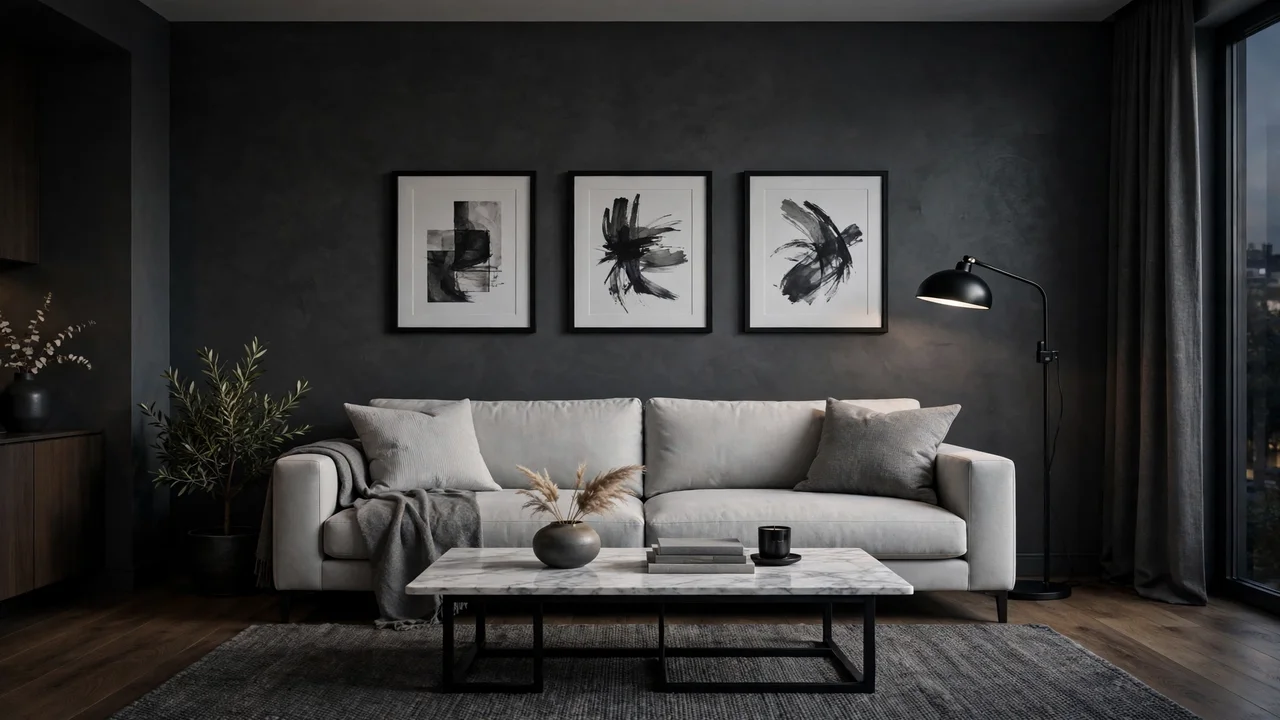
1. Warm Gray Walls with Cream Furnishings
If you love gray but worry it'll feel cold, warm gray is your answer. Look for shades with beige or taupe undertones — think "greige" — which wrap a room in softness rather than chill. Paint your walls in a warm mid-gray, then layer in cream-colored upholstery: a linen sofa, ivory armchairs, and a nubby off-white area rug. The cream keeps the room feeling bright and welcoming, while the gray grounds everything with depth. Add warmth through natural materials — a reclaimed-wood coffee table, woven jute baskets, and a few brass accents in your lighting. For the windows, choose sheer cream curtains that let daylight filter through and bounce softly off the gray walls. This palette works especially well in north-facing rooms that need all the warmth they can get, and it's endlessly flexible: swap in mustard cushions for fall or fresh green plants in spring, and the whole room transforms with the seasons.
2. Charcoal Gray Feature Wall Behind the Sofa
Ready to make a statement? A charcoal gray feature wall instantly adds drama and sophistication without overwhelming the room. Paint the wall behind your sofa in a deep, rich charcoal and keep the other three walls in a crisp white or pale gray. The dark wall becomes a natural focal point, making your sofa pop and giving the room a cocoon-like, gallery feel. To keep it from feeling heavy, layer in lighter elements: a light-gray or cream sofa, a round mirror with a thin gold frame to bounce light around, and a pair of table lamps with linen shades for warm, glowing pools of light in the evening. Style your shelves or artwork on the dark wall in light frames — white mats and pale wood frames stand out beautifully against charcoal. A textured rug in a medium gray bridges the dark wall and light floor. This look is perfect for evening entertaining — once the sun goes down and the lamps come on, your living room feels like a chic, intimate lounge.
3. Light Gray Sofa as the Room's Anchor
A light gray sofa is the ultimate decorating workhorse — it suits almost any style and lets you redecorate around it for years. Choose a soft, warm light gray in a durable fabric like performance linen or a textured weave that hides everyday wear. Then build the room outward: a rug in a deeper charcoal grounds the seating area and adds contrast, while throw pillows in blush pink, mustard, teal, or navy rotate easily with the seasons. Drape a chunky knit throw over one arm for instant coziness. Because a light gray sofa is so neutral, your accent choices really shine — try a walnut coffee table for warmth, black metal floor lamp for a modern edge, and a large piece of abstract art with gray tones that tie everything together. One practical tip: if you have kids or pets, go a shade or two darker than your dream color — a mid-light gray hides far more than a near-white one, and you'll thank yourself every single day.
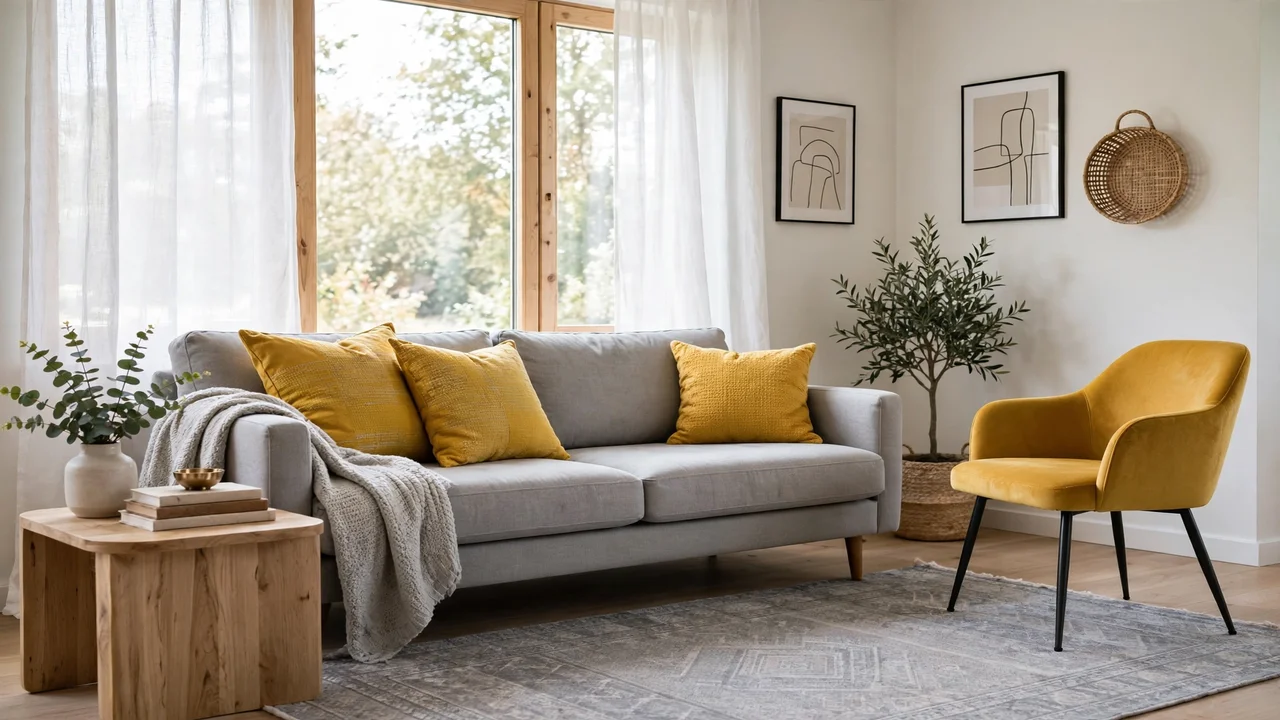
4. Gray and Mustard: A Cheerful, Modern Pairing
Gray and mustard is one of those color combinations that just works — the warmth of golden yellow wakes up gray's calm neutrality, and the result feels modern, cheerful, and effortlessly stylish. Start with a gray base: light gray walls, a medium gray sofa, or a charcoal rug. Then bring in mustard through accents you can move around easily — a pair of velvet mustard cushions, a patterned throw blanket, a mustard accent chair, or even a piece of art with golden tones. A little goes a long way; you want mustard to be the sparkle, not the flood. Balance the look with natural wood tones and plenty of greenery — a tall fiddle-leaf fig or a cluster of potted plants adds life and softens the palette. For lighting, warm-toned bulbs (around 2700K) make mustard glow beautifully against gray in the evening. This pairing shines in mid-century modern rooms, but honestly, it works anywhere you want a little sunshine without going full-on yellow.
5. Layered Grays: Tone-on-Tone Texture Play
One of the most sophisticated ways to decorate with gray is to layer multiple shades of it in one room — tone on tone, with texture doing all the talking. Start with the lightest gray on the walls, then build in medium grays (a sofa, curtains) and darker grays (an area rug, an armchair, charcoal cushions). The secret that keeps this from looking flat is texture: pair a smooth linen sofa with a chunky wool rug, a velvet ottoman, a faux-fur throw, and woven baskets. Each material catches the light differently, so the room shimmers with subtle variation instead of reading as one big gray blob. Add a few warm metallics — brushed brass lamp bases, a copper tray — to keep the palette from feeling chilly. This approach is wonderfully forgiving: since everything is in the same color family, nothing can really clash. It's the decorating equivalent of a perfectly layered outfit, and it photographs beautifully for Pinterest-worthy results every time.
6. Gray with Blush Pink for Soft Elegance
Gray and blush pink is the pairing that turned a million hearts on Pinterest — and for good reason. The combination feels romantic and elegant without being saccharine. Use gray as the dominant color: dove-gray walls, a gray sofa, or a soft gray rug. Then layer in blush through a velvet accent chair, silk-look cushions, a blush throw, or even pale pink curtains. Keep the pink muted and dusty rather than bubblegum-bright for the most sophisticated effect. Metallic accents elevate the look — rose gold or champagne-gold picture frames, a mirrored side table, and a sputnik-style light fixture add glamour. Balance the softness with one or two stronger elements: a black-framed floor mirror, a dark wood coffee table, or deep charcoal cushions keep the room grounded and grown-up. This palette is lovely in living rooms that double as reading nooks — it feels calm, pretty, and inviting, the kind of room where guests naturally drift toward the coziest chair.
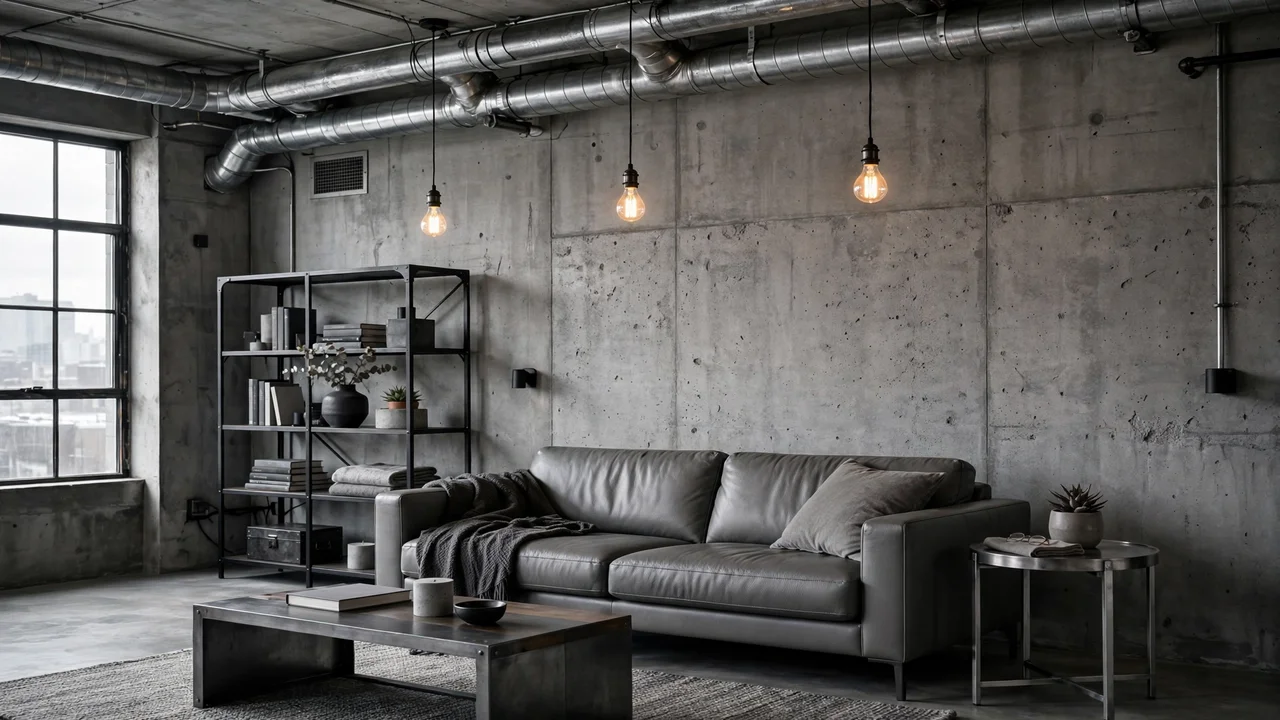
7. Industrial Gray: Concrete, Metal, and Leather
For a bold, urban look, lean into gray's industrial side. Think polished concrete-look floors or a gray concrete-effect feature wall, exposed black metal shelving, and a sumptuous cognac or black leather sofa that pops against the cool grays. This style is all about honest materials: raw wood beams, metal-frame coffee tables with glass tops, and Edison-bulb lighting with visible filaments. Keep the palette mostly monochrome — shades of gray, black, and white — and let texture provide the interest: a distressed gray rug, a nubby wool throw, brushed steel lamp bases. To keep the industrial look from feeling cold, add one warm layer: a sheepskin draped over the leather sofa, warm-white bulbs in all your fixtures, and a large leafy plant softening a corner. Oversized black-and-white photography in thin black frames completes the gallery-loft vibe. This is gray at its most dramatic — perfect for city apartments and anyone who loves a space with a little edge.
8. Cozy Gray: Fireside Textures and Warm Lighting
Gray can be the coziest color in the world when you dress it right — and this look is all about the fireside feeling. Start with a medium warm-gray on the walls and a deep, plush gray sofa you can sink into. Then pile on the textures: a thick shag or high-pile rug underfoot, cable-knit throws, velvet cushions in charcoal and silver, and a faux-fur throw tossed casually over the arm of the sofa. Lighting is everything here — skip harsh overheads in favor of layers of warm light: a floor lamp with a fabric shade in one corner, candles on the coffee table, and fairy lights draped along a bookshelf. If you have a fireplace, make it the star with a gray stone surround and a chunky wood mantel styled with candles and dried eucalyptus. A warm gray-brown wood coffee table and a basket of extra blankets within arm's reach complete the invitation. This is the living room that makes guests kick off their shoes and stay for hours.
9. Gray and Navy: Classic, Tailored Contrast
Gray and navy is a timeless pairing that always looks polished — like a perfectly tailored suit. The deep blue adds richness and depth while gray keeps things light and balanced. Try navy as your accent color: a pair of navy velvet armchairs flanking a gray sofa, navy curtains framing the windows, or a bold navy-and-gray patterned rug anchoring the seating area. White is the essential third color here — white walls or white trim keep the combination crisp and prevent it from feeling too dark. Add warmth with brass or gold accents: a brass floor lamp, gold-framed artwork, and a mirrored tray on the coffee table. For a coastal twist, swap the brass for natural rope and driftwood tones; for a traditional feel, add a classic Persian-style rug with navy and gray in the pattern. This palette works beautifully in formal living rooms, but with relaxed fabrics like linen and cotton, it feels just as at home in a casual family space.
10. Scandinavian Light Gray Minimalism
Scandinavian style and light gray were made for each other. This look is all about airiness, simplicity, and that effortless "less but better" feeling. Paint walls in the palest warm gray — almost white but softer — and choose pale wood floors, or a light gray rug over existing flooring. Keep furniture low and streamlined: a light gray fabric sofa with slim legs, a pale oak coffee table, and one or two simple accent chairs. The magic is in the styling: a single oversized black-and-white print leaning against the wall, a sculptural floor lamp, a sheepskin on the sofa, and one beautiful green plant. Declutter ruthlessly — every object should earn its place. Sheer white or pale gray curtains let maximum light through, which is the whole point: this look glows in bright daylight. The result is a living room that feels calm, spacious, and quietly luxurious — proof that gray doesn't need drama to be beautiful.
11. Gray Velvet Sofa: Luxurious Focal Point
Nothing says luxury quite like a velvet sofa, and in gray it becomes a showpiece that still plays well with others. A velvet sofa in smoky gray, slate, or deep charcoal catches the light with a gorgeous sheen that changes as you move around the room. Style it with cushions in complementary textures — silk, linen, and a touch of metallic — in shades of silver, ivory, and one accent color like emerald or sapphire. A mirrored or glass coffee table keeps the look light and lets the velvet be the star, while a plush rug in a lighter gray adds softness underfoot. Wall art matters here: a large, dramatic piece above the sofa in tones of gray, black, and gold turns the whole arrangement into a gallery moment. Keep the rest of the room relatively simple so the sofa shines — velvet is the diva of fabrics, and it deserves the spotlight. This is the idea for anyone who wants their living room to feel a little bit glamorous every single day.

12. Gray with Natural Wood Tones
Gray and wood is a match made in decorating heaven — the cool calm of gray balances the warmth of timber, and together they feel grounded and organic. Start with gray walls or a gray sofa, then bring in wood through a solid coffee table, open shelving, exposed beams, or a beautiful sideboard. Mid-tone woods like oak and walnut work best; very dark woods can fight with gray, while very pale woods can look washed out. Mix in natural textures — a jute rug, linen curtains, ceramic vases, a wool throw — to enhance the earthy feeling. Green plants are the finishing touch that ties it all together, echoing the natural theme. For a modern rustic look, pair light gray walls with a chunky reclaimed-wood coffee table and black metal accents. For something softer, try dove gray upholstery with pale oak and cream textiles. This combination never goes out of style, and it suits everything from farmhouse to contemporary spaces.
13. Dark Gray Moody Living Room
Embrace the dark side: a fully committed dark gray living room is one of the most atmospheric looks you can create. Paint all four walls in a deep, warm charcoal — yes, all four — and watch the room transform into a cocoon of calm. The key to making dark walls work is contrast and light: a light-colored sofa in cream or pale gray pops beautifully against charcoal walls, while a large mirror opposite the window doubles your daylight. Layer in warm lighting generously — table lamps, floor lamps, and candles all glow gorgeously against dark gray. Metallics are your best friend here: brass, gold, and copper accents catch the light and add richness. Choose artwork with light mats and thin frames so it stands out. A rug in a medium gray with a subtle pattern bridges the dark walls and your furniture. Don't fear the darkness — dark gray walls actually make a room feel larger and more intimate at the same time, like the coziest restaurant you've ever been to.
14. Gray Patterned Rug as the Starting Point
Sometimes the easiest way to design a gray living room is to start with the rug. A beautiful gray patterned rug — whether it's a vintage-look Persian, a bold geometric, or a subtle trellis — gives you an instant color palette to build on. Pull two or three colors from the rug's pattern: maybe charcoal, silver, and a touch of blue or rust. Use the lightest tone for walls, the mid-tone for your sofa, and the darkest for accent pieces like an armchair or ottoman. Then echo the rug's accent color in cushions, artwork, and a throw blanket. The rug also solves the layout puzzle: arrange your sofa and chairs with their front legs on the rug to create a defined, cozy conversation zone. Choose a rug large enough that it extends at least six inches beyond the sofa on each side — a too-small rug is the most common decorating mistake there is. This "rug-first" method takes the guesswork out of decorating and guarantees a cohesive, pulled-together room.
15. Gray Gallery Wall with Mixed Frames
Turn a gray wall into a personal art gallery — it's one of the most characterful ways to use this color. Paint the wall in a medium gray, which makes a perfect backdrop for art: it recedes visually, letting your pictures pop, and it flatters both colorful pieces and black-and-white photography. Mix frame styles for an eclectic, collected feel — thin black frames, chunky white frames, natural wood, and one or two gold frames for sparkle. Lay the arrangement out on the floor first, then hang it, keeping about two inches between frames. Include a variety of sizes: one large anchor piece, several medium pieces, and small fillers. A picture light or two above the arrangement adds a museum-quality glow in the evening. Below the gallery wall, keep furniture simple — a low console table or a slim bench — so the art stays the star. This idea works in any size room and lets your personality shine through, all wrapped in sophisticated gray.
Styling Tips for Gray Living Rooms
Mind the undertones. Not all grays are equal — some lean blue, some lean beige, some lean purple. Before you commit, paint large swatches and watch them at different times of day. A gray that looks crisp and clean in the morning can turn lavender-ish under warm evening bulbs. Choose one undertone family and stick with it throughout the room for a harmonious feel.
Light it in layers. Gray rooms live or die by lighting. Overhead light alone can make gray look flat and dull. Instead, layer at least three sources: ambient (a ceiling fixture or floor lamp), task (a reading lamp by your favorite chair), and accent (candles, picture lights, or fairy lights). Warm-white bulbs around 2700K keep gray feeling cozy rather than clinical.
Texture is non-negotiable. Because gray is a neutral, it relies on texture for visual interest. Mix at least four or five textures in every gray room — velvet, linen, wool, wood, metal, glass, woven fibers. Run your hand over your decorating plan mentally: if everything feels the same, add something rough or something shiny.
Use the 60-30-10 rule. Let gray be your 60% (walls, large furniture), choose a secondary color for 30% (curtains, rug, accent chair), and save 10% for a bold accent (cushions, art, a lamp). This formula keeps gray rooms balanced and prevents them from drifting into "everything matches and nothing stands out" territory.
Add life with greenery. Almost every gray living room looks better with plants. The fresh green is the perfect counterpoint to gray's calm — it adds color, softness, and movement. If you're not a plant person, try high-quality faux stems or even a simple vase of eucalyptus, which lasts for weeks.
Don't forget the ceiling. In dark gray rooms especially, a bright white ceiling keeps the space feeling open and lifts the whole palette. In light gray rooms, you can even paint the ceiling a shade lighter than the walls for a soft, enveloping effect.
Frequently Asked Questions
What colors go well with a gray living room?
Gray is wonderfully versatile. Warm accents like mustard, terracotta, and blush pink add cheer; deep tones like navy, emerald, and charcoal add drama; and natural materials like wood, rattan, and greenery add warmth and life. Metallics — brass, gold, copper, and chrome — all pair beautifully with gray. The safest approach is to pick one or two accent colors and repeat them in at least three places around the room.
Is gray too cold for a living room?
It can be, if you choose the wrong shade or forget the warm layers. The fix is simple: choose a warm gray with beige or taupe undertones (often called "greige"), add plenty of texture (knits, wool, wood), and use warm-white lighting. A gray room with a chunky knit throw, a wood coffee table, and glowing lamps feels every bit as cozy as a beige one.
Should my gray walls be light or dark?
It depends on your light and your mood. Light grays open up small or north-facing rooms and feel fresh and airy. Dark grays create drama and intimacy and work surprisingly well in both large rooms and small, cozy spaces — dark walls can actually make a room feel bigger by blurring its boundaries. If you're unsure, start with a medium gray; it's the most forgiving.
What color sofa goes with gray walls?
You have lots of options. A gray sofa in a lighter or darker shade than the walls creates elegant tone-on-tone layering. For contrast, try cream, white, or beige upholstery against gray walls — it pops beautifully. Navy, emerald green, and blush pink sofas also look stunning against gray. Leather in cognac or black adds richness to an industrial gray scheme.
How do I keep a gray living room from looking boring?
Texture, contrast, and one bold move. Layer different textures (velvet, linen, wool, wood, metal), create contrast between light and dark grays, and add one statement element — a dramatic piece of art, a velvet accent chair in a jewel tone, or a patterned rug. A gray room should feel calm, never flat.
Does gray work in a small living room?
Absolutely. Light and medium grays reflect light and make small rooms feel larger and calmer. Keep the palette simple — two or three shades of gray plus one accent — to avoid visual clutter. A large light-gray rug, pale gray walls, and furniture with visible legs all help a small gray living room feel spacious and airy.
Conclusion
Gray might be the hardest-working neutral in home decor — calm enough to soothe, versatile enough to pair with anything, and stylish enough to carry a whole room on its own. Whether you fell for the drama of charcoal walls, the softness of blush and gray, or the clean simplicity of Scandinavian light gray, the secret is always the same: layer your shades, mix your textures, and warm things up with light, wood, and greenery. Pick the idea that made your heart skip a little, start with one corner, and let your gray living room grow from there. Happy decorating!


